
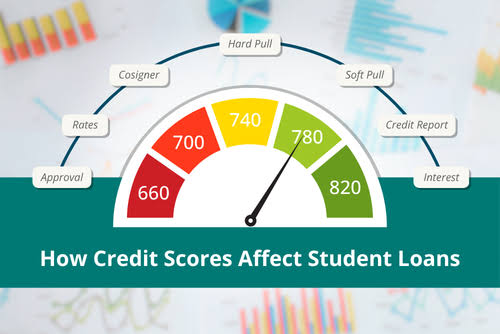
Paying for college or higher education can be expensive, and many students rely on education loans to cover tuition, books, housing, and other academic expenses. While student loans can make education more accessible, they also create financial responsibilities that may continue long after graduation. One important concern for students and parents is whether borrowing money for school can affect their credit history. Yes, school loans can affect your credit score. Student loans are generally reported to credit bureaus, and your payment history, outstanding balance, account age, and repayment activity can influence your credit profile. Making payments on time may help establish a positive credit history, while missed payments, defaults, or other negative account activity can damage your score. Understanding how student loans work with credit reporting can help you manage education debt responsibly and protect your financial future. How Do School Loans Affect Your Credit Score? School loans can affect your credit score in several ways because they are installment loans. An installment loan allows you to borrow a specific amount and repay it through scheduled payments over an agreed period. When you take out a student loan, the lender or loan servicer may report information about the account to major credit bureaus, including Experian, Equifax, and TransUnion. Your credit report may include: Credit scoring models use information from your credit report to calculate your score. Therefore, the way you manage school loans can influence your creditworthiness. Positive Effects of Student Loans Student loans can support your credit profile when you manage them responsibly. Making regular payments on time demonstrates that you can handle borrowed money and meet financial obligations. Over time, a well-managed student loan may contribute to a longer credit history and a positive record of installment loan payments. Negative Effects of Student Loans Student loans can also hurt your credit score when payments are missed or the account enters serious delinquency or default. A high outstanding balance may also affect how lenders evaluate your existing debt, even when you are making payments as agreed. Do Federal Student Loans Affect Your Credit Score? Yes, federal student loans can affect your credit score. These loans are provided through the federal student aid system and are generally reported to the major credit bureaus. Federal student loans include Direct Subsidized Loans, Direct Unsubsidized Loans, and certain other federal education financing programs. Your payment activity and account status may appear on your credit reports. When Federal Student Loans Help Your Credit Federal student loans can contribute positively to your credit history when you make required payments on time after repayment begins. They may help demonstrate your ability to manage installment debt. However, simply taking out a federal student loan does not guarantee that your credit score will increase. When Federal Student Loans Hurt Your Credit Missing payments after repayment begins can negatively affect your credit history. If the loan becomes seriously delinquent and eventually enters default, the consequences can be more damaging. Federal student loans generally have repayment options and borrower protections, so contacting your loan servicer early when you experience financial difficulty is important. Do Private Student Loans Affect Credit Scores? Yes, private student loans can affect your credit score in much the same way as other installment loans. Private student loans are offered by banks, credit unions, and other financial institutions. Their interest rates, repayment terms, eligibility requirements, and borrower protections can differ from federal student loans. Private lenders commonly report student loan information to one or more major credit bureaus. Credit Checks for Private Student Loans When you apply for a private student loan, the lender may perform a hard credit inquiry. A hard inquiry can temporarily lower your credit score. If you apply with a co-signer, the lender may also review the co-signer’s credit history. The loan may appear on both borrowers’ credit reports, depending on how the account is structured and reported. Payment History Matters Making payments on time can help maintain a positive credit profile. Missing payments may lead to negative reporting, late fees, and additional interest charges. Before borrowing, compare interest rates, repayment periods, fees, and co-signer responsibilities. Do Student Loans Affect Your Credit Score While You Are in School? Student loans can appear on your credit report while you are still studying, even if you are not required to make regular payments yet. Many federal student loans allow borrowers to postpone required payments while they are enrolled at least half-time and during certain grace periods. Some private loans offer similar arrangements, depending on the agreement. However, an account appearing on your credit report does not automatically mean it is negatively affecting your score. How In-School Status Works During an approved in-school deferment or other authorized postponement, the loan may be reported as current or in a status that reflects the approved payment arrangement. Interest may continue to accumulate on certain loans, even when payments are not required. This can increase the amount owed. Does Having a Student Loan Automatically Lower Your Score? No. Having a student loan does not automatically reduce your credit score. The effect depends on the information reported, your existing credit history, the scoring model, and other factors. A new loan may also influence your credit profile by changing your account mix and total debt. Do Student Loan Payments Build Credit? Yes, student loan payments can help build credit when they are reported to the credit bureaus and made on time. Payment history is one of the most important factors in common FICO credit scoring models. A consistent record of successful payments can demonstrate financial responsibility. However, student loans are not a shortcut to a higher credit score. Your overall credit profile includes several other factors. Payment History Making every required payment by its due date helps establish a positive payment record. Even one reported late payment can negatively affect your credit score. Credit Mix Credit scoring models may consider the different types of credit accounts you manage. A student loan is an installment account, while a credit card is