
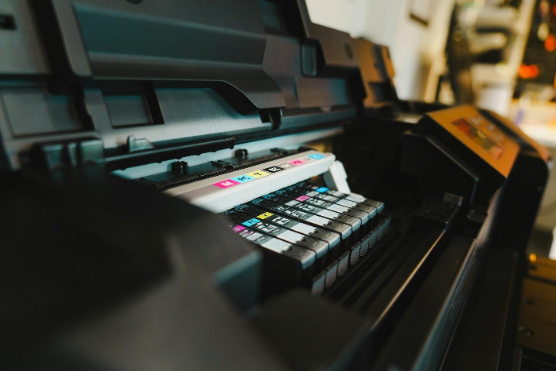
In today’s competitive marketplace, brands need more than digital visibility to enhance their identity and create lasting impressions. Every physical touchpoint, from business cards and cover letters to apparel and packaging, plays a role in how customers recognize and trust a company. Professional printing helps businesses communicate their identity and quality through carefully designed materials. A strong brand is built through consistency and attention to detail. High-quality printed materials allow businesses to showcase professionalism and strengthen customer relationships. Here, we will discuss how printing services help businesses build a strong brand identity. 1. Screen-Printed Apparel Offers Advanced Branding Solutions Screen printing offers advanced printing solutions for businesses that want every employee, crew member, and event team to look the part. Screen-printed logos on your T-shirts, sweatshirts, or jerseys turn them into brand-building tools that increase visibility and build trust. Screen printing works especially well for businesses that need consistent colors, clean logo placement, and reliable results. Instead of handing your team plain workwear, screen printing on shirts creates apparel that makes an impression every time your employees show up to a job site, greet a customer, or represent your company in public. 2. Storytelling and Emotional Connection Through Print Print materials are an excellent medium for conveying your story. Print allows you to tell your brand’s story in a visually compelling way. By using print to showcase your brand values and mission, you can engage customers on a deeper level. It encourages them to connect with your brand emotionally. A powerful print marketing piece that shares your business’s story makes your brand more relatable. Whether it is through creative packaging, promotional flyers, or informational brochures, print helps tell the story of who you are and what you stand for. This emotional connection fosters brand recognition and long-term relationships with your audience. 3. Custom Printing Services Help Businesses Make a Strong First Impression In business, a strong impression starts with high-quality printed materials. Well-designed and quality-printed materials such as business cards, brochures, and presentation folders can set the tone for your brand. Custom printing services give you complete control over the details that create immediate reactions. These details include paper weight, texture, color accuracy, and specialty finishes. A thick, crisp business card, a brochure with rich colors, and a presentation folder with clean die-cut edges signal that your company is detail-oriented and confident in what it offers. Overall, custom printing services make a strong first impression and keep reinforcing your brand identity long after the meeting ends. 4. Printing Reflects Your Brand’s Professionalism Printed materials influence how customers perceive a company’s expertise and professionalism. Professional and high-quality printing helps businesses create confidence and credibility. A well-designed business card, elegant packaging, or informative brochure reflects the professionalism of your brand. High-quality print materials signal to customers that you take your brand seriously and invest in making a good impression. In a competitive market, it is the little things that set your business apart. Professional printing supports premium business cards, corporate stationery, attractive brochures, and presentation materials. They maintain a professional appearance that builds credibility and trust.

Reliable Roofing Solutions for Lasting Home Protection
Your roof is one of the most important parts of your home because it protects your family, belongings, and property from changing weather conditions. Choosing Done Rite Roofing means working with experienced professionals who understand the value of quality workmanship, dependable materials, and excellent customer service. A well maintained roof improves energy efficiency, enhances curb appeal, and helps prevent costly structural damage. Whether your home requires a small repair, a complete replacement, or routine maintenance, investing in expert roofing services ensures long term protection and peace of mind for every homeowner. The Importance of a Strong Roofing System A durable roofing system is essential for maintaining the safety and comfort of any property. Constant exposure to sunlight, rain, and seasonal weather can gradually weaken roofing materials. Regular inspections help identify minor concerns before they become expensive repairs. Professional roofers evaluate every component of the roofing system, including shingles, flashing, underlayment, gutters, and ventilation. This comprehensive approach helps extend the life of the roof while improving overall performance. Benefits of Professional Roofing Services Hiring experienced roofing professionals offers several advantages beyond simple repairs. Skilled contractors follow industry standards and use quality materials that deliver reliable performance for years. Some important benefits include: Improved weather protection Better home insulation Increased property value Enhanced curb appeal Reduced maintenance costs Longer roof lifespan Greater energy efficiency Professional installation also helps homeowners avoid common mistakes that may result from improper roofing techniques. Signs Your Roof Needs Attention Many roofing problems begin with small warning signs that are easy to overlook. Recognizing these symptoms early can prevent significant structural damage. Common signs include: Missing or damaged shingles Water stains on ceilings Mold or mildew growth Sagging roof sections Granules collecting in gutters Higher indoor temperatures Frequent leaks during rainfall Scheduling an inspection after severe storms is also a smart preventive measure. Choosing Quality Roofing Materials The right roofing material depends on your home’s style, budget, and local climate. Modern roofing products provide excellent durability while offering attractive designs that complement different architectural styles. Popular options include: Asphalt Shingles Asphalt shingles remain one of the most popular roofing materials because they are affordable, durable, and available in many colors and textures. Tile Roofing Tile roofs offer exceptional longevity and create a distinctive appearance. They perform well in warm climates and require relatively little maintenance. Metal Roofing Metal roofing has become increasingly popular due to its energy efficiency, weather resistance, and long service life. Composite Roofing Composite materials provide the appearance of traditional roofing products while offering improved durability and lower maintenance requirements. The Value of Regular Roof Maintenance Routine maintenance plays a significant role in protecting your investment. Simple inspections and timely repairs can greatly extend the life of your roofing system. Maintenance services often include: Cleaning debris Checking flashing Inspecting ventilation Examining gutters Replacing damaged shingles Identifying moisture issues Preventive maintenance reduces the likelihood of emergency repairs and helps homeowners save money over time. Roof Replacement Process When repairs are no longer sufficient, replacing the roof becomes the most practical solution. A professional roof replacement follows a structured process to ensure quality results. The process typically includes: Initial Inspection Roofing specialists inspect the existing roof to determine its condition and identify underlying issues. Material Selection Homeowners choose roofing materials based on appearance, durability, and budget. Removal of Old Roofing The existing roofing materials are carefully removed to expose the roof deck. Deck Inspection The roof deck is examined for damage and repaired if necessary before new materials are installed. Installation New roofing materials are installed according to manufacturer guidelines and industry best practices. Final Inspection A thorough inspection confirms that every component has been installed correctly and meets quality standards. Energy Efficiency Benefits A properly installed roof contributes to lower energy consumption throughout the year. Modern roofing systems reflect heat, improve insulation, and enhance attic ventilation. These improvements help maintain comfortable indoor temperatures while reducing heating and cooling costs. Better ventilation also minimizes moisture buildup that can damage insulation and structural components. Why Experience Matters Roofing requires specialized skills and extensive knowledge of construction methods. Experienced contractors understand local building codes, installation techniques, and safety requirements. They also recognize potential problems before they become serious, allowing homeowners to make informed decisions regarding repairs or replacement. Reliable contractors maintain clear communication throughout the project and provide accurate timelines that minimize disruption. Protecting Your Investment Your home is one of your largest financial investments, and the roof serves as its first line of defense. Investing in quality materials and skilled workmanship provides long lasting value while reducing future repair expenses. Homeowners should never delay necessary roofing work because small issues often become larger and more expensive over time. Regular inspections, prompt maintenance, and professional installation all contribute to a stronger, more dependable roofing system. A well maintained roof also improves resale value by giving potential buyers greater confidence in the property’s condition. Conclusion Choosing experienced roofing professionals helps homeowners enjoy greater safety, improved efficiency, and lasting peace of mind. Regular maintenance, quality materials, and expert installation work together to extend the life of every roofing system while protecting the entire property. Whether planning preventive maintenance or a complete replacement, making informed decisions today can prevent costly repairs in the future. Homeowners searching for residential roofing anaheim ca can benefit from working with trusted professionals who prioritize craftsmanship, reliability, and long term customer satisfaction.

Maximizing Investment Potential: Factors to Consider When Selecting Full Management Services
Owning an apartment as an investment property is a fantastic way to generate passive income, but the reality of day-to-day operations can quickly become a full-time job. From sourcing reliable tenants and managing rent collection to handling emergency repairs and legal disputes, the burden of property ownership is significant. To protect your asset and ensure steady returns, many owners turn to professional firms for help. Choosing the right partner for your property is a critical decision that will dictate the ease of your ownership experience. Carefully evaluating the following factors will ensure that you select a provider of full management services that truly aligns with your financial goals. Analyzing Professional Experience and Local Market Expertise The first factor to consider is the depth of experience a firm brings to the table. A property manager must have a profound understanding of the local rental market, including prevailing rental rates, neighborhood demographics, and tenant expectations. A firm with a proven track record can provide valuable insights into how to position your apartment to attract high-quality tenants quickly. By leveraging their local knowledge, they can help you minimize vacancy periods and maintain optimal rental yields. Always inquire about the number of units they currently manage and their history in handling properties similar to yours in size and classification. Evaluating Tenant Screening and Placement Processes The quality of your tenant is the most important factor in the long-term success of your investment. A professional firm should have a rigorous, consistent screening process that includes thorough background checks, credit evaluations, and references from previous landlords. Entrusting your property to someone who does not properly vet occupants is a recipe for missed payments and property damage. A firm offering full management should be transparent about their screening criteria, ensuring they follow legal standards while effectively minimizing the risk of difficult tenancies that could jeopardize your income stream. Assessing Maintenance Protocols and Vendor Relationships Property maintenance is often the most stressful aspect of being a landlord. When a tenant calls in the middle of the night about a burst pipe, you need a manager who can respond immediately. Inquire about how the company handles both routine upkeep and emergency repairs. Do they have a list of verified, licensed, and insured contractors? An effective firm will handle these issues efficiently, ensuring your property remains in top condition without requiring your direct intervention. Superior maintenance oversight is a core benefit of a high-quality full management agreement that preserves the long-term value of your asset. Reviewing Financial Reporting and Transparency Clear, consistent communication regarding your finances is essential. You should expect regular, detailed statements that outline rental income, expenses incurred, and management fees deducted. A reputable manager will use professional software to track every transaction, providing you with an easy-to-read financial snapshot of your investment’s health. Transparency builds trust and ensures that you remain informed about your cash flow. If a company is unable or unwilling to provide clear documentation regarding your accounts, it is a significant red flag that you should take seriously before signing any contract. Understanding Legal Compliance and Eviction Procedures Rental laws are complex and frequently updated. Your manager must be an expert in regional landlord-tenant regulations to ensure you are always protected. This includes knowing how to draft lease agreements that comply with local statutes and how to navigate the legal process if an eviction ever becomes necessary. A professional team acting under full management will shield you from legal liability by ensuring that every interaction—from initial lease signing to lease termination—adheres strictly to the law, thereby preventing costly lawsuits and protecting your rights as an owner.

How a CAD-Based Coordinate Measuring Machine Improves Accuracy in Your Facility
In today’s manufacturing and engineering environments, accuracy is essential for maintaining product quality and meeting customer expectations. Even small measurement errors can lead to production delays, increased costs, and quality issues. This is why many facilities are adopting advanced inspection technologies to improve precision and efficiency. One of the most effective tools for this purpose is a CAD-based coordinate measuring machine. By combining precise measurement capabilities with digital design data, this technology helps businesses achieve better quality control and more reliable production results. Understanding a CAD-Based Coordinate Measuring Machine A CAD-based coordinate measuring machine is a specialized inspection system that measures the physical dimensions of manufactured parts and compares them directly with their Computer-Aided Design (CAD) models. The machine uses a probe or scanning system to collect detailed measurements from a component’s surface. The collected data is then matched against the original CAD design. This comparison allows operators to quickly identify any deviations between the manufactured part and the intended specifications. As a result, manufacturers can ensure that products meet exact design requirements before they move to the next stage of production. Enhancing Measurement Accuracy One of the primary benefits of a CAD-based coordinate measuring machine is its ability to provide highly accurate measurements. Traditional measurement methods often depend on manual tools and operator skills, which can introduce inconsistencies. In contrast, automated coordinate measuring machines deliver precise and repeatable results. Because the machine references the original CAD model, it can detect even the smallest dimensional variations. This high level of accuracy helps manufacturers maintain strict quality standards and reduce the risk of defective products reaching customers. Improving Quality Control Processes Quality control plays a vital role in every manufacturing facility. A CAD-based coordinate measuring machine strengthens quality assurance by providing detailed inspection reports and accurate measurement data. Instead of relying on random checks or manual measurements, quality teams can inspect complex components with confidence. The machine automatically compares measured values with design specifications and highlights any areas that fall outside acceptable tolerances. This allows quality personnel to identify issues early and take corrective action before larger production problems occur. Reducing Production Errors and Waste Production errors can be expensive and time-consuming. Incorrect dimensions may lead to rejected parts, rework, and material waste. A CAD-based coordinate measuring machine helps minimize these problems by identifying dimensional issues at an early stage. When defects are detected quickly, manufacturers can adjust machining processes before producing large quantities of faulty products. This proactive approach reduces scrap rates and lowers overall production costs. Over time, these savings can have a significant positive impact on operational efficiency and profitability. Supporting Complex Part Inspection Modern industries often produce components with intricate shapes and tight tolerances. Inspecting these parts using conventional measurement tools can be challenging and time-consuming. A CAD-based coordinate measuring machine is specifically designed to handle complex geometries with ease. The machine can scan multiple surfaces and collect thousands of measurement points in a short period. By comparing this data directly with the CAD model, it provides a complete picture of the part’s accuracy. This capability is especially valuable in industries such as aerospace, automotive, medical device manufacturing, and precision engineering. Increasing Efficiency and Productivity Efficiency is another important advantage of using a CAD-based coordinate measuring machine. Automated measurement processes significantly reduce inspection times compared to manual methods. Operators can perform detailed inspections more quickly while maintaining high accuracy levels. Faster inspections mean production lines experience fewer delays. Employees can focus on other important tasks instead of spending hours performing manual measurements. This improved workflow helps facilities increase productivity while maintaining consistent product quality. Enhancing Documentation and Traceability Accurate records are essential for quality management and regulatory compliance. A CAD-based coordinate measuring machine automatically generates detailed inspection reports that document measurement results and dimensional comparisons. These reports provide valuable information for audits, customer requirements, and process improvement initiatives. They also create a reliable record of product quality that can be referenced whenever needed. Better documentation improves traceability and helps facilities maintain strong quality management systems. Conclusion A CAD-based coordinate measuring machine is a powerful tool for improving accuracy, quality, and efficiency within a manufacturing facility. By comparing physical components directly with digital CAD models, it provides precise measurements and reliable inspection results. This technology helps reduce production errors, minimize waste, improve quality control, and support the inspection of complex parts. As manufacturing standards continue to become more demanding, investing in a CAD-based coordinate measuring machine can help facilities maintain consistent product quality and achieve greater operational success.

How to Open a New Checking Account and Avoid Common Mistakes
Opening a checking account is one of the most important steps in managing personal finances. A checking account offers a safe environment for depositing income, paying bills, making purchases, and keeping track of spending. Although many people do not face any difficulties, there are common pitfalls that can result in paying unnecessary fees, restriction of services, or frustration down the road. By knowing which factors to consider in advance, as well as what sort of account to open, you can make an informed decision. Understand Your Banking Habits Before Applying When you’re looking for a checking account, it’s a good idea to examine your own financial habits. There are various kinds of accounts for various kinds of customers. There are some that value digital banking attributes and others that provide benefits for customers who value in-person banking services. If you know how you use your money, you can eliminate some of the choices and find accounts that work for you. Compare Account Features Carefully Many individuals opt for the initial account that they find without researching the features available. While promotions might sound appealing, convenience and value might be bigger considerations. As you’re looking around, check out: Mobile banking Online bill pay ATM access Fraud protection tools Mobile check deposit Account alerts Selecting an account with the right features can simplify and streamline your daily financial routine. Some of the problems can be avoided by doing a little research in advance. Apply For a New Checking Account If you choose to open a new checking account service, you’ll want to read all the terms and conditions on the application before signing it. Many consumers will only consider the convenience and miss things that can impact them in the future. Make sure to ask: Monthly maintenance fees Minimum balance requirements Overdraft policies ATM network availability Transaction limitations When you know this in advance, you can save yourself from any unpleasant expenses and make sure that the account matches your financial routine. Avoid Common Fee-Related Mistakes One of the most frequent grievances of account-holders is about unnecessary banking charges. The charges frequently stem from errors in usage, not intentional ones. Common mistakes include frequently using out-of-network ATM machines, overdrawing the account, and ignoring account notifications. By reviewing the fee schedule and policies of the accounts, additional charges can be avoided. Gather Required Documents Before Applying Having the proper documentation ready before opening an account may help to facilitate the process. Most financial institutions will require certain basic information and proof of identity. Some of the common requirements are: Government-issued identification Tax Identification Number (TIN) Proof of address Initial deposit funds Contact information Conclusion While it might appear easy to open a checking account, you need to do some research to make the right choice. If you know what you should and shouldn’t be doing when you’re dealing with your bank, you can steer clear of the most common account problems. With the right account, you can improve your finances, save on needless spending, and pursue your monetary objectives for years to come.

Feasibility and Permit Support in Modern Development Projects
Introduction to Project Evaluation in Development Planning In modern construction and real estate planning, early analysis is essential for reducing risk and improving outcomes. Developers rely on structured assessment methods to understand whether a project is viable before committing major resources. This early stage review helps identify financial, legal, and environmental constraints that may affect progress. A well prepared planning process ensures that decisions are based on data rather than assumptions. In many cases, feasibility study consulting services play a central role in guiding investors through these early evaluations to ensure that projects are practical and achievable. Understanding the Role of Feasibility Studies Feasibility studies are systematic evaluations used to determine whether a proposed project should move forward. These studies assess multiple factors including site conditions, market demand, financial projections, and regulatory requirements. By analyzing these elements, developers gain a clearer understanding of potential risks and opportunities. One of the most important aspects of this process is identifying obstacles before construction begins. Issues such as zoning limitations, environmental restrictions, or infrastructure deficiencies can significantly impact project success. Early detection allows teams to adjust plans or reconsider investment decisions. This reduces the likelihood of costly delays and redesigns later in the project lifecycle. Key Components of Development Feasibility Analysis A comprehensive feasibility study includes several critical components. Market analysis evaluates whether there is sufficient demand for the proposed development. Financial assessment examines costs, funding options, and expected returns. Technical evaluation reviews site conditions such as soil stability, accessibility, and utility availability. Legal and regulatory review is another essential component. This ensures that the project complies with local planning laws, zoning codes, and environmental standards. Without this step, developers risk significant setbacks during approval stages. Each component works together to provide a complete picture of project viability and long term sustainability. Importance of Informed Decision Making Feasibility analysis plays a key role in guiding strategic decisions. Investors and developers use study results to determine whether to proceed, modify, or cancel a project. This reduces uncertainty and supports more confident investment planning. In addition, these studies help align project goals with market conditions. For example, if demand projections are weak, developers may choose to adjust building size, design, or usage type. This flexibility allows for more adaptive planning and better resource allocation. As a result, projects are more likely to succeed financially and operationally. Financial and Time Efficiency in Planning One of the major benefits of early evaluation is cost control. Identifying challenges before construction begins helps avoid expensive changes during later stages. It also reduces wasted effort on designs that may not be approved or feasible. Time efficiency is another major advantage. Projects that undergo thorough feasibility assessment are less likely to face delays during approval or construction. Clear planning reduces back and forth revisions between stakeholders and regulatory bodies. This streamlined approach ensures that timelines remain realistic and achievable. Risk Management and Long Term Project Success Risk management is a core objective of feasibility evaluation. Developers must consider economic fluctuations, regulatory changes, and environmental impacts when planning large scale projects. By addressing these risks early, they can develop mitigation strategies that protect investments. Long term success depends on adaptability and informed planning. Projects that are grounded in detailed analysis are more resilient to unexpected challenges. This leads to better performance, higher returns, and improved stakeholder confidence. Proper feasibility evaluation also enhances credibility when seeking financing or partnerships. Conclusion and Final Development Approval Support In the final stages of planning, developers must transition from analysis to execution while ensuring full regulatory compliance. Careful preparation during early phases simplifies this transition and reduces administrative obstacles. At this stage, coordination with specialists becomes essential for securing final approvals and moving forward with construction. Professional guidance in building permit expediting services ensures that all documentation, reviews, and approvals are handled efficiently so that projects can proceed without unnecessary delays.

How to Make Any Building More Accessible and Welcoming
Creating spaces that can be used comfortably and safely by people of all abilities is both a legal requirement and a reflection of thoughtful design. Accessibility goes beyond ramps and wide doorways, it encompasses every element of the built environment, from the fixtures in restrooms to the hardware on doors. Getting these details right ensures that every visitor, employee, or resident can move through a space with ease and dignity. Consider Using Accessibility Hardware The physical components installed throughout a building play a crucial role in making it usable for everyone. The accessibility hardware includes lever-style door handles, push plates, pull bars, grab bars, and automatic door openers designed to assist people with limited mobility, reduced grip strength, or visual impairments. ADA-compliant hardware meets precise specifications for height, force requirements, and operability, ensuring that doors and fixtures can be used without tight grasping, pinching, or twisting of the wrist. Selecting certified products from a reputable supplier is essential for meeting building codes and creating genuinely inclusive spaces. Why Accessibility Standards Exist Accessibility regulations were established to eliminate barriers that prevent people with disabilities from participating equally in public and commercial life. In the United States, the Americans with Disabilities Act sets detailed requirements for new construction and renovations. Similar standards exist in Canada, the United Kingdom, and other countries. Beyond legal compliance, these standards reflect a societal commitment to equal access. Buildings that meet or exceed accessibility requirements are better positioned to serve a diverse public and avoid costly retrofits or legal challenges down the line. Critical Locations Within Any Building Accessible design is most critical at points where barriers could completely prevent someone from using a space. Building entrances must be navigable without manual effort wherever possible. Restrooms require appropriately spaced fixtures, grab bars near toilets, and knee clearance beneath sinks for wheelchair users. Corridors must provide enough width for mobility aids to pass, and any change in floor level must be addressed with a compliant ramp or lift. Signage with Braille and high-contrast text also helps those with visual impairments navigate effectively. Benefits That Extend to Everyone Accessible design improves the experience for all users, not just those with disabilities. Wide doorways are easier to navigate with strollers, shopping carts, or delivery equipment. Lever-style handles are simpler to operate when carrying items. Automatic doors benefit anyone approaching with full hands. Ramps are smoother for wheeled luggage and bicycles. When designers think inclusively from the outset, the resulting spaces tend to be more intuitive and comfortable for a much broader range of users in everyday situations. Sourcing the Right Products and Expertise Achieving genuine accessibility requires working with suppliers who understand both the technical specifications and the practical needs of users with disabilities. A knowledgeable supplier can guide building owners toward compliant products that also fit the aesthetic of the space. It is equally important to involve experienced contractors who are familiar with installation requirements for accessible hardware. Consulting with an accessibility specialist during the planning phase can identify potential gaps before construction begins, reducing the likelihood of costly corrections after the fact. Conclusion Investing in accessibility is an investment in inclusion, usability, and long-term value. Whether upgrading an existing building or designing a new one, getting the details right ensures that every person who enters your space can do so with confidence and comfort. Partnering with the right suppliers and professionals makes the process straightforward and ensures full compliance with the standards that protect the rights of every individual.

How Veterans Mortgage Loans are Different from Common Home Loans
Buying a home is one of the biggest financial decisions people make. Many people use mortgage loans to help pay for their homes over time. Two common options are veteran mortgage loans and traditional home loans. These both help people purchase homes, but they are different in many ways. Understanding these differences can help buyers choose the loan that fits their needs and financial situation. Following is the simple explanation of both loans with their key differences. What Is a Veteran Mortgage Loan? A veteran mortgage loan, or a VA loan is designed for military veterans, active-duty service members, and some surviving spouses. These are backed by the United States Department of Veterans Affairs. Veterans mortgage loans are offered by private lenders such as banks and mortgage companies, but the government guarantees part of the loan. This allows veterans to receive better loan benefits. What Are Traditional or Common Home Loans? Traditional home loans, which are also known as conventional loans, are regular mortgage loans offered by credit unions, banks, and other lenders. These are available to the general public. Financial institutions and private lenders set some rules for conventional loans. Approval depends on factors like credit score, income, employment history, and down payment amount. Difference in Eligibility Requirements One major difference between conventional home loans and VA loans is eligibility. VA loans are only available to qualified veterans, active military members, and certain surviving spouses. Borrowers must meet military service requirements to apply. Traditional home loans are not restricted and are open to almost anyone who meets the lender’s financial requirements. People do not need military experience to qualify for a conventional mortgage. Difference in Down Payment Another big difference is down payment. Borrowers do not have to make any down payment in VA loans, which helps veterans purchase homes even if they have not saved a large amount of money. Traditional home loans often require a down payment. In many cases, buyers may need to pay between 5% and 20% of the home’s price upfront. Difference in Mortgage Insurance Mortgage insurance is another important difference. Private mortgage insurance, also known as PMI, is not required in VA loans, which can help borrowers save money every month. On the other hand, traditional loans often require PMI when the buyer makes a small down payment. This extra monthly cost protects the lender if the borrower cannot repay the loan. Difference in Interest Rates Compared to conventional loans, VA loans often have lower interest rates. It is because the government backs part of the loan, which allows lenders to offer better rates to veterans. Traditional loans may have higher interest rates depending on the borrower’s credit score and financial history. People with excellent credit usually receive better rates than those with lower scores. Difference in Property Rules There is also a difference in how the property is being used. VA loans are mainly meant for primary residences, which means the borrower must usually live in the home they purchase using the loan. On the other hand, conventional home loans can be used for different property types, including rental properties, vacation homes, and investment properties, depending on lender rules.

How SAMS Marine Surveyors Guide You Through Professional Vessel Inspections
A safe and well-maintained vessel is very important for anyone who owns or operates boats, ships, or marine equipment. Whether it is for commercial use or personal sailing, regular inspection ensures safety, performance, and long-term value. This is where a SAMS marine surveyor plays a key role. These professionals are trained to carefully inspect vessels and guide owners through every step of the process. Their work helps identify hidden issues, improve safety, and ensure that the vessel meets required standards. Understanding how they work can help you make better decisions about your marine assets. Understanding the Role of a SAMS Marine Surveyor A SAMS marine surveyor is a certified professional who specializes in inspecting different types of marine vessels. Their main responsibility is to evaluate the condition of a boat or ship and provide a clear report about its safety, structure, and functionality. They look at everything from the hull and engine to electrical systems and onboard equipment. These surveyors use their knowledge and experience to detect problems that may not be visible to the untrained eye. They also help buyers, sellers, and owners understand the true condition of a vessel before making important decisions. In many cases, their advice can prevent costly repairs or accidents in the future. Step-by-Step Vessel Inspection Process The inspection process carried out by a SAMS marine surveyor is detailed and structured. It usually begins with a visual examination of the vessel’s exterior to check for damage, wear, or signs of corrosion. After that, the surveyor inspects the interior systems, including plumbing, wiring, and mechanical parts. They may also test the vessel in water to observe how it performs under real conditions. During this stage, they check stability, steering, and engine efficiency. Every observation is carefully recorded to create a full report. Once the inspection is complete, the surveyor explains the findings in simple terms. This helps the vessel owner clearly understand what needs attention and what is in good condition. Ensuring Safety and Compliance at Sea One of the most important roles of a SAMS marine surveyor is ensuring safety at sea. They check whether the vessel meets industry standards and legal requirements. This includes safety equipment like life jackets, fire extinguishers, and emergency systems. They also look for structural issues that could become dangerous during long trips or harsh weather conditions. By identifying risks early, surveyors help prevent accidents and improve overall safety for passengers and crew. Compliance is also a key factor. Many insurance companies and maritime authorities require proper inspection reports before approving coverage or certification. A SAMS marine surveyor ensures that all these requirements are properly met. Benefits of Hiring a Professional Marine Surveyor Hiring a professional SAMS marine surveyor offers many benefits for vessel owners. One of the main advantages is peace of mind. Knowing that your vessel has been carefully inspected by an expert reduces stress and uncertainty. Another benefit is financial protection. Early detection of problems can save a lot of money on future repairs. It also helps in making better buying or selling decisions by providing an accurate evaluation of the vessel’s condition. In addition, professional inspection improves safety, which is the most important aspect of any marine activity. With expert guidance, owners can enjoy smoother operations and fewer unexpected issues. Conclusion A SAMS marine surveyor plays an essential role in ensuring that vessels remain safe, reliable, and compliant with marine standards. Through detailed inspections and clear reporting, they help owners understand the true condition of their boats or ships. Their expertise not only improves safety at sea but also protects financial investments. By working with a qualified surveyor, vessel owners can navigate the marine world with greater confidence and peace of mind.

How Investing in Precious Metals Can Protect Your Wealth During Economic Uncertainty
In times of economic uncertainty, people often look for safe ways to protect their money. Market volatility, rising inflation, and global financial instability can reduce the value of savings and investments. This is where precious metals come into focus. Known for their long history of stability, precious metals such as gold, silver, platinum, and palladium have been trusted as reliable stores of value for centuries. Understanding how they work can help you make better financial decisions and protect your wealth. Understanding the Value of Precious Metals Precious metals have intrinsic value, which means they are valuable in themselves and not dependent on any government or financial institution. Unlike paper currency, which can lose value due to inflation or policy changes, precious metals tend to maintain their worth over time. Gold, for example, has been used as a form of money and wealth preservation for thousands of years. This long-standing trust makes precious metals a strong option during uncertain economic conditions. Protection Against Inflation Inflation reduces the purchasing power of money, making everyday goods more expensive. When inflation rises, traditional investments like cash savings may lose value. Precious metals, especially gold and silver, often move in the opposite direction of inflation. As prices rise, the value of these metals typically increases, helping to protect your purchasing power. This makes them a practical hedge against inflation and a valuable addition to a balanced investment portfolio. Stability During Market Volatility Financial markets can be unpredictable, especially during economic crises. Stock prices may fall, and currencies can weaken. In such situations, precious metals often perform well because they are seen as safe-haven assets. Investors tend to shift their money into precious metals when they lose confidence in other markets. This increased demand can help maintain or even raise the value of these assets, offering stability when other investments are struggling. Diversification of Investment Portfolio Diversification is an important strategy in investing. It involves spreading your investments across different asset types to reduce risk. Including precious metals in your portfolio can improve its overall stability. Since these metals usually do not move in the same direction as stocks or bonds, they can balance potential losses in other areas. This makes your investment strategy more resilient during uncertain times. Liquidity and Global Demand One of the advantages of precious metals is their high liquidity. This means they can be easily bought or sold in markets around the world. Gold and silver, in particular, have strong global demand, making them easy to convert into cash when needed. This flexibility ensures that your investment remains accessible, even during financial emergencies. Long-Term Wealth Preservation Precious metals are not just useful during short-term crises; they are also effective for long-term wealth preservation. Over time, they have consistently held their value and provided protection against economic downturns. Many investors use precious metals as a way to secure their financial future and pass on wealth to future generations. Conclusion Investing in precious metals can be a smart strategy to protect your wealth during economic uncertainty. Their ability to maintain value, hedge against inflation, and provide stability during market fluctuations makes them a reliable choice for investors. By including precious metals in your investment portfolio, you can reduce risk and ensure greater financial security. While no investment is completely risk-free, precious metals offer a proven way to safeguard your assets in challenging economic times.