
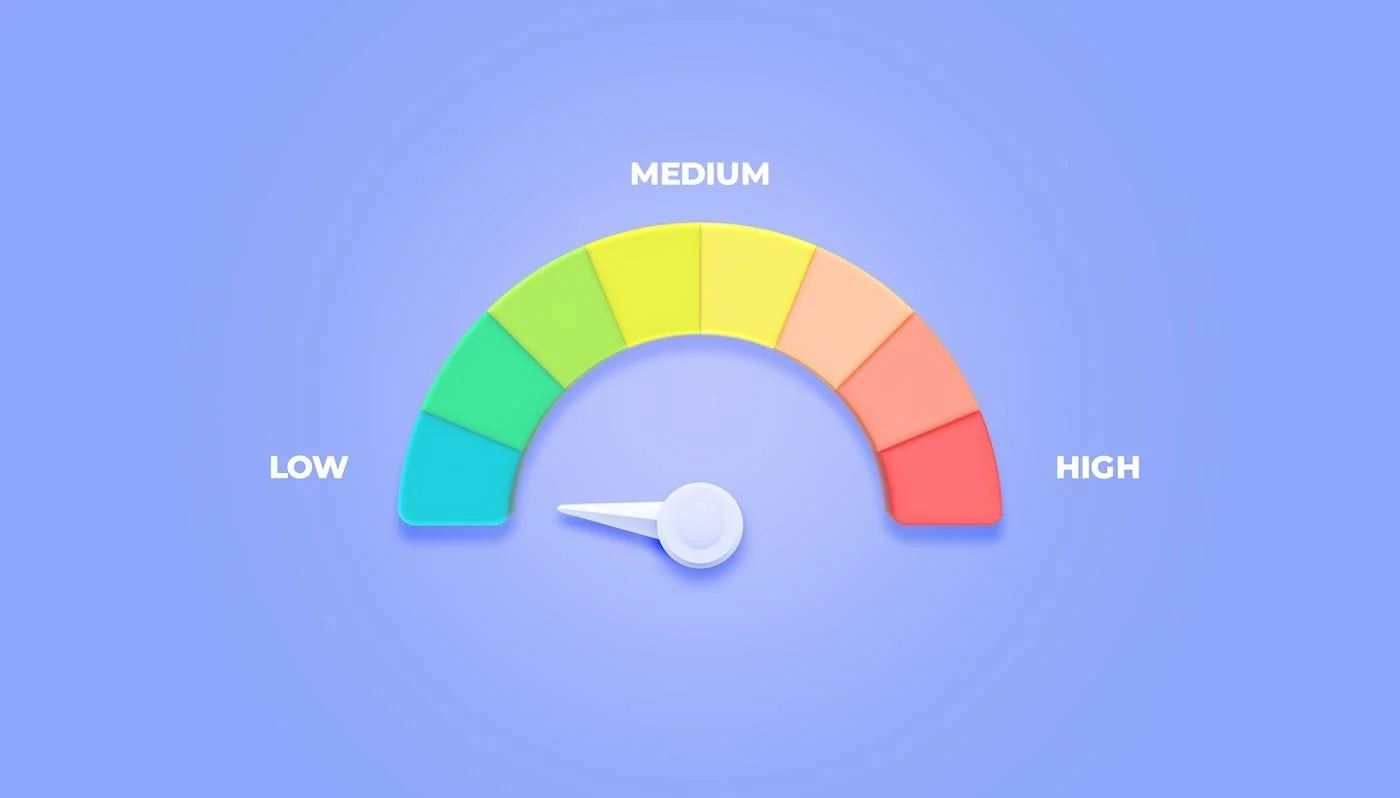
Your credit score plays an important role in your financial life. Whether you want to apply for a credit card, purchase a car, qualify for a mortgage, or get a personal loan, lenders may use your credit score to evaluate how responsibly you manage borrowed money. If your credit score is 600, you might be wondering whether it is good enough to qualify for financial products or whether you should focus on improving it.
A 600 credit score is generally considered fair under the FICO scoring model. It is not among the lowest possible scores, but it is below the range most lenders consider good. You may still qualify for certain credit cards and loans, although your options could be limited and interest rates may be higher than those offered to borrowers with stronger credit histories.
The good news is that a 600 credit score can improve with consistent financial habits. Understanding what your score means, what lenders look for, and which actions can help you build better credit can put you on a stronger financial path.
What Does a 600 Credit Score Mean?
Most traditional consumer credit scores in the United States range from 300 to 850. The higher your score, the more favorably lenders may view your credit risk.
A FICO score of 600 falls within the fair credit category. This means your credit history may show some positive financial behavior, but it could also contain factors that make lenders more cautious.
Here are the commonly used FICO credit score ranges:
| Credit Score | FICO Rating |
| 300–579 | Poor |
| 580–669 | Fair |
| 670–739 | Good |
| 740–799 | Very Good |
| 800–850 | Exceptional |
A score of 600 is near the lower part of the fair range. It is better than a score below 580, but there is still room for improvement.
Lenders may interpret a 600 score differently depending on the credit product, their internal requirements, and the scoring model they use. Some may approve your application, while others may require a higher score or additional financial information.
Is 600 a Good Credit Score Compared With the National Average?
A 600 credit score is generally below the average credit score in the United States.
Experian reported that the average U.S. FICO score was 713 in 2025. Compared with that figure, a 600 score is considerably lower.
This does not mean you cannot qualify for credit. It simply means lenders may consider your application riskier than one submitted by someone with a good, very good, or exceptional score.
A lower score can result from several situations, including:
- Missed or late payments.
- High credit card balances.
- A short credit history.
- Accounts sent to collections.
- Recent applications for multiple credit products.
- Previous loan defaults or other negative credit information.
Not everyone with a 600 score has made the same financial mistakes. Some people have limited credit histories, while others may have experienced financial difficulties in the past.
Understanding what is affecting your score is the first step toward improving it.
Can You Get Approved for a Loan With a 600 Credit Score?
Yes, getting approved for a loan with a 600 credit score is possible, but it may be more challenging than qualifying with a higher score.
Some lenders work with borrowers who have fair credit. However, they may charge higher interest rates, offer smaller loan amounts, or require additional conditions.
Your approval chances also depend on your income, employment, existing debt, payment history, and the type of loan you want.
Personal Loans: Some lenders offer personal loans to applicants with fair credit. However, interest rates and fees may be higher. Compare the annual percentage rate, repayment period, origination fees, and total borrowing cost before accepting an offer.
Auto Loans: You may qualify for vehicle financing with a 600 score, depending on the lender. A larger down payment, stable income, and manageable existing debt may strengthen your application. Compare offers from banks, credit unions, and dealerships instead of accepting the first available financing option.
Mortgage Loans: Certain mortgage programs may allow borrowers with a 600 score to qualify. For example, FHA guidelines generally permit scores of 580 or higher for the minimum 3.5% down payment, while scores between 500 and 579 generally require at least 10% down. Lenders may impose stricter requirements, and approval also depends on income, debt, property details, and other eligibility conditions.
Credit Builder Loans: These products are designed to help people establish or improve their credit history. Payments may be reported to credit bureaus, allowing consistent on-time payments to contribute to a stronger credit profile.
Before applying for any loan, review the lender’s minimum credit requirements. Applying without checking eligibility can result in unnecessary hard inquiries.
Can You Get a Credit Card With a 600 Credit Score?
Yes, you may be able to qualify for certain credit cards with a 600 credit score.
Although premium rewards cards may be difficult to obtain, several types of cards are designed for applicants with fair or limited credit histories.
Secured Credit Cards
A secured credit card requires a refundable security deposit, which often determines your credit limit. For example, a $300 deposit may provide a $300 credit limit, depending on the issuer.
The issuer may report your account activity to one or more major credit bureaus. Making payments on time and keeping your balance low can help you build a stronger credit history.
Unsecured Credit Cards for Fair Credit
Some credit card companies offer unsecured cards to applicants with fair credit. These cards do not require a security deposit, but they may have higher interest rates, lower limits, or annual fees.
Read the terms carefully before applying.
Store Credit Cards
Retailers sometimes offer store credit cards with less demanding approval requirements than certain general-purpose rewards cards. However, store cards may carry high interest rates and limited purchasing flexibility.
Credit Builder Credit Cards
Some financial institutions offer starter cards specifically designed for people who are building or rebuilding credit. These may provide a simple way to establish a record of responsible payments.
Whichever option you choose, avoid spending more than you can afford to repay. Paying the statement balance in full by the due date can help you avoid interest charges.
What Interest Rates Can You Expect With a 600 Credit Score?
One of the biggest disadvantages of having a 600 credit score is that borrowing may cost more.
Lenders generally use credit scores to estimate the risk of lending money. Applicants with lower scores may receive higher interest rates because lenders consider them more likely to miss payments or default.
For example, imagine two borrowers applying for the same auto loan. One has a 600 credit score, while the other has a 750 score. The lender may offer different interest rates based on their credit profiles.
Even a small difference in the annual percentage rate can affect the total amount paid over the life of a loan.
Your actual interest rate depends on several factors:
- Your credit score and the scoring model used.
- Your income and employment stability.
- Your existing monthly debt payments.
- The amount you want to borrow.
- The repayment period.
- The lender’s current interest rates and eligibility standards.
You should compare multiple loan offers before making a decision. Looking only at the monthly payment can be misleading because a longer loan term may increase the total interest you pay.
Why Is Your Credit Score 600?
A 600 credit score can result from different factors in your credit history. Reviewing your credit reports can help you identify which areas need attention.
1. Late or Missed Payments
Payment history is one of the most important factors in many FICO scoring models. Missing a credit card or loan payment can negatively affect your credit profile, especially when the payment becomes 30 or more days late and is reported to the credit bureaus.
A history of repeated late payments can make lenders less confident in your ability to repay future debt.
2. High Credit Utilization
Credit utilization measures how much of your available revolving credit you are using.
For example, if your credit card limit is $5,000 and your reported balance is $4,000, your utilization ratio is 80%.
High utilization can negatively affect your score. Keeping balances low relative to your total credit limits is generally better.
3. Collection Accounts
If unpaid debts are sent to collection agencies, they may appear on your credit reports. Depending on the type of debt, reporting status, and scoring model, collection accounts can affect your credit score.
Review any collection information carefully. If you find inaccurate details, you can dispute them with the relevant credit bureau.
4. Short Credit History
People who have recently started using credit may have limited information in their credit reports.
A short credit history can make it harder for scoring models to evaluate long-term borrowing behavior. Building a consistent record of responsible account management can help over time.
5. Too Many Recent Credit Applications
Applying for several credit cards or loans within a short period can create multiple hard inquiries.
Hard inquiries may temporarily lower your score. They can also make lenders more cautious if your credit report shows several recent applications.
6. Errors on Your Credit Reports
Sometimes, a lower score is connected to inaccurate information, such as an incorrect late payment, unfamiliar account, or wrong balance.
Checking your reports from Experian, Equifax, and TransUnion can help you identify potential reporting problems.
How to Improve a 600 Credit Score
Improving a 600 credit score takes time, but consistent actions can help you move toward the good credit category.
You do not need to use complicated strategies or pay a company promising instant results. Start with the factors that have the greatest impact on your credit profile.
1. Pay All Your Bills on Time
Make every required credit payment by its due date. Payment history is a major factor in FICO scoring, so avoiding additional late payments is important.
Set up automatic payments for at least the minimum amount due. You can also use calendar reminders to keep track of payment dates.
If you have missed payments, bring overdue accounts current when possible and contact your lender if you need help arranging a payment plan.
2. Reduce Your Credit Card Balances
High credit card utilization can make it difficult to improve your score.
Try paying down outstanding balances and avoid using most of your available credit. Keeping utilization below 30% is a common guideline, although lower utilization may be more beneficial.
For example, if your total credit limit is $4,000, keeping reported balances below $1,200 would put utilization under 30%.
You do not need to carry a balance or pay interest to build credit.
3. Check Your Credit Reports for Errors
You can access your credit reports from the three major U.S. credit bureaus through AnnualCreditReport.com.
Review each report for:
- Incorrect personal or account information.
- Payments incorrectly reported as late.
- Accounts you do not recognize.
- Incorrect outstanding balances.
- Duplicate collection accounts.
- Unauthorized credit inquiries.
If you find inaccurate information, file a dispute with the relevant credit bureau and provide supporting documents.
4. Avoid Applying for Multiple Credit Accounts
Every new application can create a hard inquiry if the lender checks your credit through a hard pull.
Too many applications within a short period may temporarily reduce your score and make it harder to manage additional debt.
Research eligibility requirements and apply selectively.
5. Consider a Secured Credit Card
If you have difficulty qualifying for a traditional credit card, a secured card may be an option.
Choose one that reports payment activity to the major credit bureaus. Use it for a small, manageable purchase and pay the statement balance on time.
Check for annual fees, deposit requirements, and other charges before opening the account.
6. Keep Older Accounts Open When Appropriate
Older credit accounts can contribute to the length of your credit history.
Closing an old credit card may reduce your available credit and increase your utilization ratio. Before closing an account, consider its fees, terms, and effect on your overall credit profile.
7. Give Your Credit History Time to Improve
Negative information does not disappear immediately. Some negative items can remain on credit reports for several years, depending on the type of information and applicable reporting rules.
Continue building positive payment history and managing balances responsibly. Improvement may happen gradually rather than overnight.
How Long Does It Take to Improve a 600 Credit Score?
There is no fixed timeline for increasing a 600 credit score. The amount of time depends on why your score is low and how quickly the information in your credit reports changes.
If high credit card utilization is the main problem, paying down balances may help your score improve after the lower balances are reported.
However, if your credit report contains serious late payments, defaults, or collection accounts, improvement may take longer.
Several factors influence how quickly your score changes:
- Your current payment history.
- The amount of revolving debt you owe.
- The age of your credit accounts.
- Recent hard inquiries.
- The number and severity of negative items.
- The scoring model used.
Focus on building consistent habits instead of expecting a specific number of points within a certain number of days.
Is a 600 Credit Score Bad for Renting an Apartment?
A 600 credit score may make renting an apartment more difficult, but it does not automatically disqualify you.
Landlords and property management companies may review credit reports as part of their tenant screening process. They might consider payment history, outstanding debts, collections, and other financial information.
Some landlords have minimum credit score requirements, while others consider the complete rental application.
If your score is 600, you can strengthen your application by providing:
- Proof of stable income.
- Recent pay stubs or employment documentation.
- Positive references from previous landlords.
- Evidence of on-time rent payments.
- A qualified co-signer, if accepted by the landlord.
You can also explain any past financial difficulties honestly. A strong rental history and reliable income may help balance concerns about your credit score.
600 Credit Score vs. 650, 700, and 750
Understanding how different credit scores compare can help you set realistic improvement goals.
| Credit Score | FICO Rating | General Credit Position |
| 600 | Fair | Limited options and potentially higher rates |
| 650 | Fair | Stronger fair-credit profile |
| 700 | Good | More competitive lending opportunities |
| 750 | Very Good | Strong credit profile |
| 800 | Exceptional | Excellent credit standing |
Moving from 600 to 650 can improve your position within the fair category. Reaching 670 moves you into the good FICO range, while 740 places you in the very good category.
A higher score can improve your access to credit and potentially reduce borrowing costs. However, lenders still evaluate your complete financial situation.
Conclusion
A 600 credit score is considered fair under the FICO scoring model. Although it is not a good or excellent rating, it does not mean you cannot qualify for credit cards, personal loans, auto financing, or certain mortgage programs. Your available options may be more limited, and you could face higher interest rates than borrowers with stronger credit profiles. The most effective way to improve your position is to pay bills on time, reduce credit card balances, review your credit reports, and avoid unnecessary applications. With patience and responsible financial habits, you can work toward a score of 670, 700, or higher and create more borrowing opportunities.
Frequently Asked Questions
1. Is a 600 credit score good or bad?
A 600 credit score is considered fair under the FICO scoring model. It is above the poor-credit range but below the good-credit category, which starts at 670. You may qualify for some financial products, but your options and interest rates may be less favorable.
2. Can I buy a house with a 600 credit score?
Yes, it may be possible. FHA guidelines generally allow eligible borrowers with scores of 580 or higher to qualify for the minimum 3.5% down payment. However, individual lenders may have stricter requirements, and approval depends on your income, debt, down payment, and other factors.
3. Can I get a credit card with a 600 credit score?
Yes. You may qualify for certain secured credit cards, starter cards, and some unsecured cards designed for fair credit. Compare fees, interest rates, credit limits, and reporting policies before applying.
4. How can I raise my 600 credit score quickly?
Start by paying down high credit card balances, making every payment on time, and checking your credit reports for inaccurate information. If utilization is a major issue, reducing reported balances may help relatively quickly. However, no legitimate method guarantees an immediate increase.
5. How long does it take to go from a 600 to a 700 credit score?
The timeline varies depending on your credit history and the factors affecting your score. Some people may see progress within several months, while others may need a year or longer. Consistent payments, lower utilization, and responsible credit management can support long-term improvement.