
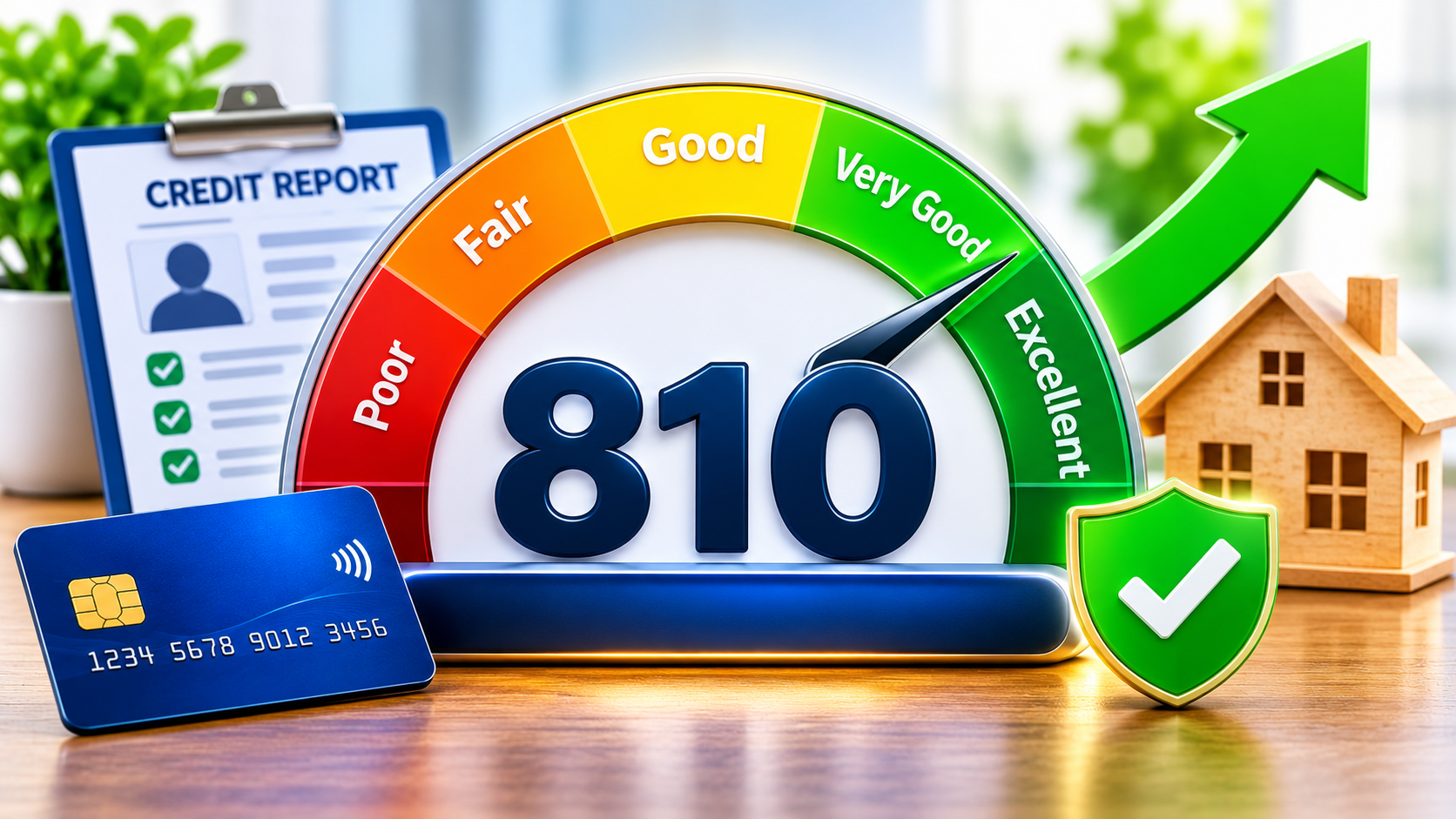
A credit score is one of the most important numbers lenders consider when evaluating your financial reliability. Whether you want to apply for a premium credit card, purchase a car, qualify for a mortgage, or obtain a personal loan, your credit score can influence your approval chances and borrowing costs. If your current score is 810, you are already in a very strong financial position from a credit-scoring perspective. An 810 credit score is considered exceptional under the standard FICO scoring model and excellent under VantageScore. It places you in the highest FICO credit category and indicates that you have demonstrated responsible credit management over time. Consumers with scores at this level generally have a strong history of handling credit obligations. An 810 score may help you qualify for competitive interest rates, premium credit cards, and favorable loan terms. However, having an exceptional score does not guarantee approval or the lowest possible interest rate. Lenders also evaluate income, existing debt, employment, and other financial information. Is an 810 Credit Score Good? Yes, an 810 credit score is excellent. Under the standard FICO model, scores of 800 and above fall into the exceptional category. This is the highest general-purpose FICO credit rating. Lenders generally view borrowers with exceptional scores as lower-risk applicants because their credit histories often demonstrate consistent payments and responsible borrowing habits. With an 810 score, you may have access to a wide range of financial products, including premium credit cards, competitive auto loans, conventional mortgages, and personal loans. Understanding FICO credit score ranges The following table explains the commonly used FICO credit score categories: FICO Credit Score Rating 300–579 Poor 580–669 Fair 670–739 Good 740–799 Very Good 800–850 Exceptional An 810 score is comfortably within the exceptional category. You are 40 points away from the maximum possible FICO score of 850. What does 810 mean under VantageScore? VantageScore 3.0 and 4.0 also use a 300–850 scoring scale, but their rating categories are different. VantageScore Range Rating 300–600 Subprime 601–660 Near Prime 661–780 Prime 781–850 Superprime Under VantageScore, an 810 score falls into the superprime category. Therefore, whether you are checking FICO or VantageScore, 810 represents an excellent credit position. How Does an 810 Credit Score Compare With the National Average? An 810 FICO score is significantly higher than the average credit score in the United States. According to FICO’s Fall 2026 Credit Insights report, the average U.S. FICO score was 714. This means an 810 score is 96 points above the national average. It also places you in a credit category that demonstrates a strong record of financial responsibility. Why the national average matters Comparing your score with the national average helps you understand your general position among U.S. consumers. However, lenders do not approve applications simply because your score is above the average. For example, someone with an 810 score may receive a favorable loan offer, but a lender can still consider their income, debt-to-income ratio, loan amount, and employment situation. Your score is an important advantage, but maintaining a healthy overall financial profile remains essential. Can You Get a Credit Card With an 810 Credit Score? Yes, an 810 credit score can make you a strong candidate for many credit cards. You may qualify for premium rewards cards, travel credit cards, cashback products, and cards with attractive introductory offers. Credit card issuers generally consider applicants with exceptional credit to be lower-risk customers. This can increase your chances of qualifying for products with valuable benefits. Credit card options you may consider With an 810 score, you can explore several types of credit cards: How to choose the right credit card A high credit score does not mean you should apply for every premium card available. Compare annual fees, rewards structures, interest rates, and eligibility requirements. If a card charges a substantial annual fee, make sure its benefits provide enough value to justify the cost. You should also avoid unnecessary applications because hard inquiries can temporarily affect your credit score. Can You Buy a House With an 810 Credit Score? Yes, an 810 credit score can put you in a strong position when applying for a mortgage. It is well above the minimum credit requirements for many conventional and government-backed mortgage programs. A high score may improve your chances of qualifying for competitive mortgage pricing. However, the actual interest rate depends on several factors, including the loan type, down payment, property details, debt-to-income ratio, and lender requirements. Conventional mortgage loans Conventional mortgages are offered by private lenders and generally follow guidelines established by Fannie Mae and Freddie Mac. An 810 score is significantly above common minimum credit requirements for many conventional loan products. This may help you qualify for favorable terms, depending on the rest of your financial profile. FHA mortgage loans FHA loans are backed by the Federal Housing Administration and are designed to make homeownership more accessible. Under standard FHA guidelines, borrowers with qualifying scores of 580 or higher may be eligible for a down payment as low as 3.5%. Borrowers with scores between 500 and 579 generally need a down payment of at least 10%. With an 810 score, you are well above these commonly cited thresholds. However, FHA loans also involve mortgage insurance, lender requirements, and other eligibility conditions. How to make the most of your credit score If you are planning to purchase a home, compare mortgage offers from several lenders. Even with exceptional credit, different lenders may offer different interest rates, fees, and closing costs. Review the annual percentage rate, total loan expenses, and repayment terms instead of focusing only on the advertised interest rate. Is an 810 Credit Score Good for a Car Loan? Yes, an 810 credit score is excellent for an auto loan application. It may help you qualify for some of the most competitive financing offers available to eligible borrowers. Auto lenders generally evaluate credit scores to estimate repayment risk. Applicants with exceptional credit may receive more attractive interest rates than borrowers with fair or poor credit.
Is a FICO Score the Same as a Credit Score?
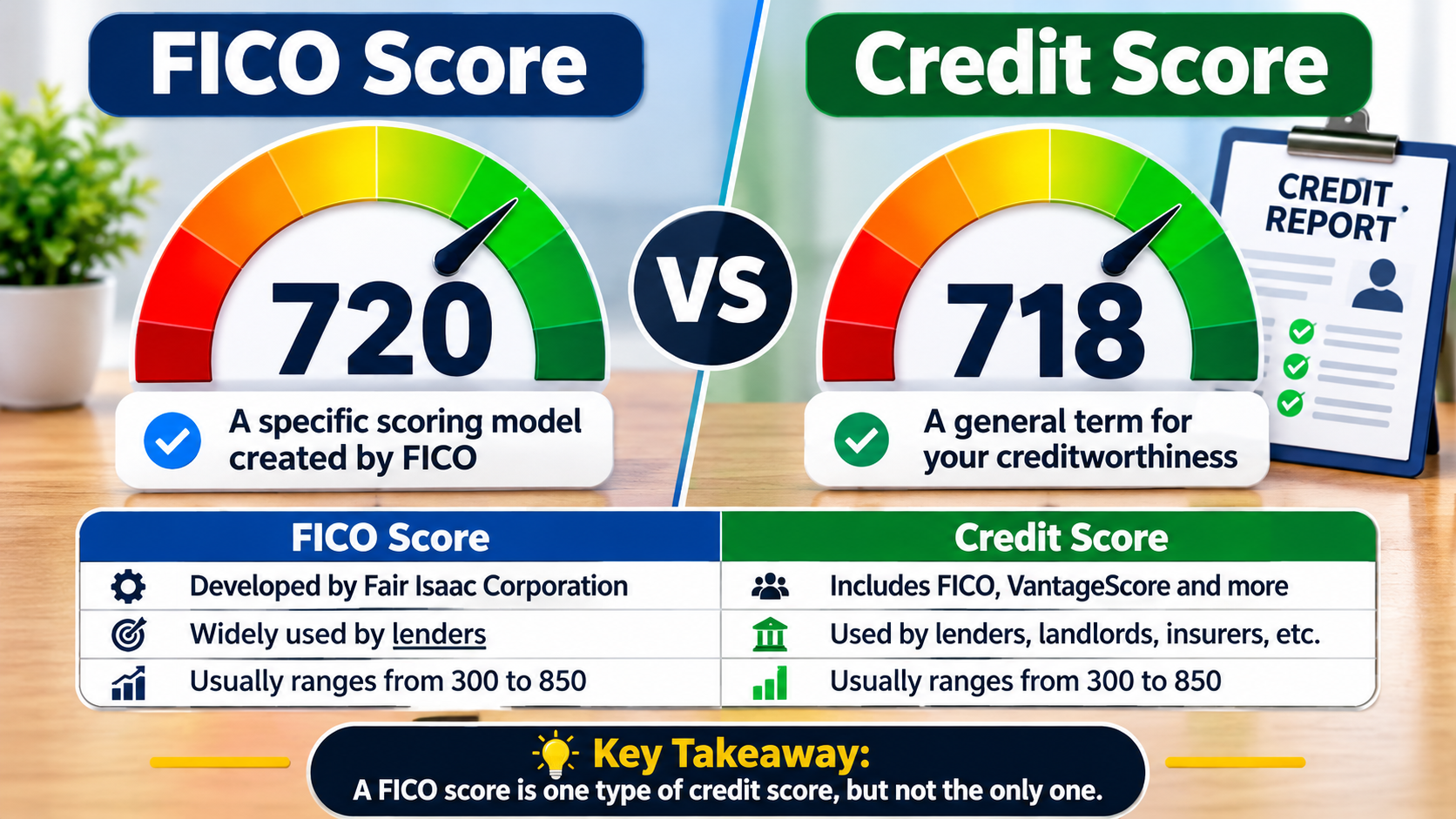
When you apply for a credit card, mortgage, auto loan, or personal loan, lenders often review your credit score to understand how responsibly you manage borrowed money. While checking your financial information, you may come across terms such as FICO Score, credit score, and VantageScore. These terms are closely related, but they do not all mean exactly the same thing. A FICO score is a type of credit score, but not every credit score is a FICO score. FICO is a credit scoring company that developed its own models to calculate credit scores using information from consumer credit reports. Other companies, including VantageScore, also create scoring models that evaluate creditworthiness. Understanding the difference can help you interpret the number you see through your bank, credit card provider, or credit monitoring service. It can also help you avoid confusion when a lender reports a different score during a loan application. Is a FICO Score the Same as a Credit Score? No, a FICO score and a credit score are not exactly the same. A credit score is a general term for a numerical rating that estimates how likely someone is to repay borrowed money as agreed. A FICO score is one specific type of credit score calculated using FICO’s scoring models. Think of credit score as the overall category and FICO as one brand within that category. Other scoring companies use their own formulas and may produce different results from the same credit report information. For example, you might see a FICO score of 710 through one service and a VantageScore of 725 through another. Both numbers represent credit scores, but they are calculated using different models and may use information from different credit bureaus. The main difference Feature FICO Score General Credit Score Meaning A specific branded credit score A broad term for credit scores Company Fair Isaac Corporation Different scoring companies Calculation FICO scoring algorithms Depends on the scoring model Data source Experian, Equifax, or TransUnion credit information Credit bureau information Score range Most base scores use 300–850 Many use 300–850, but ranges can differ Lender usage Widely used by lenders Depends on the scoring model The important point is that all FICO scores are credit scores, but other credit scores may come from completely different scoring systems. What Is a FICO Score? A FICO score is a three-digit number developed by Fair Isaac Corporation. It helps lenders estimate the likelihood that a consumer will repay a loan or credit obligation on time. FICO introduced its credit scoring system in 1989. Since then, it has developed several scoring models designed for different lending situations. Most standard FICO scores range from 300 to 850. Generally, a higher score indicates a stronger credit profile and may help you qualify for better borrowing terms. Why lenders use FICO scores Banks, mortgage companies, credit card issuers, and auto lenders use credit scores to evaluate applications. FICO scores are widely used because they provide a consistent way to assess credit risk. A lender may use a FICO score to help determine: However, lenders do not rely on FICO scores alone. They may also review income, employment, outstanding debt, payment history, and other application details. Are all FICO scores the same? No. FICO has multiple scoring versions, and each may evaluate credit information differently. For example, FICO Score 8 is a widely used general-purpose version. Other models are designed for specific lending products, including auto loans and credit cards. This means you can have several different FICO scores at the same time. The number may vary depending on the credit bureau, scoring version, and date when the score is calculated. What Is a Credit Score? A credit score is a numerical estimate of how likely you are to repay borrowed money. It is calculated using information from your credit report, including your payment history, outstanding balances, credit utilization, and account history. Credit scores help financial institutions make lending decisions. A higher score generally suggests lower credit risk, while a lower score may indicate a greater likelihood of missed payments or other repayment difficulties. How credit scores are calculated Different scoring companies use different formulas. However, most consumer credit scoring models consider several common factors: Your credit score can change when new information is reported to the credit bureaus. For example, paying down a credit card balance or missing a loan payment may affect your score after the information is updated. Why you have more than one credit score There is no single credit score that every lender uses. Your score may differ because different companies use different scoring formulas, credit bureaus provide different information, and scoring models may be updated at different times. For example, a mortgage lender may use a particular FICO model, while a credit monitoring website may display a VantageScore. Both are legitimate credit scores, but they may not produce the same number. FICO Score vs. VantageScore: What Is the Difference? FICO and VantageScore are two major credit scoring systems used in the United States. Both evaluate information from credit reports, but they use different algorithms and may consider certain credit behaviors differently. FICO was developed by Fair Isaac Corporation. VantageScore was introduced in 2006 by the three major credit reporting companies: Experian, Equifax, and TransUnion. Both models are designed to help lenders estimate credit risk. However, the score you receive from one model may differ from the score calculated by the other. FICO credit score ranges Most standard FICO scores use the following categories: FICO Score Range Credit Rating 300–579 Poor 580–669 Fair 670–739 Good 740–799 Very Good 800–850 Exceptional VantageScore credit score ranges VantageScore 3.0 and 4.0 use these general categories: VantageScore Range Credit Rating 300–600 Subprime 601–660 Near Prime 661–780 Prime 781–850 Superprime Notice that the categories are different. A score of 670, for example, falls into the good category under FICO and the prime category under VantageScore. This is why it is important to know which scoring model is being used before deciding whether your score is
Is 620 a Good Credit Score? What It Means and How to Improve It
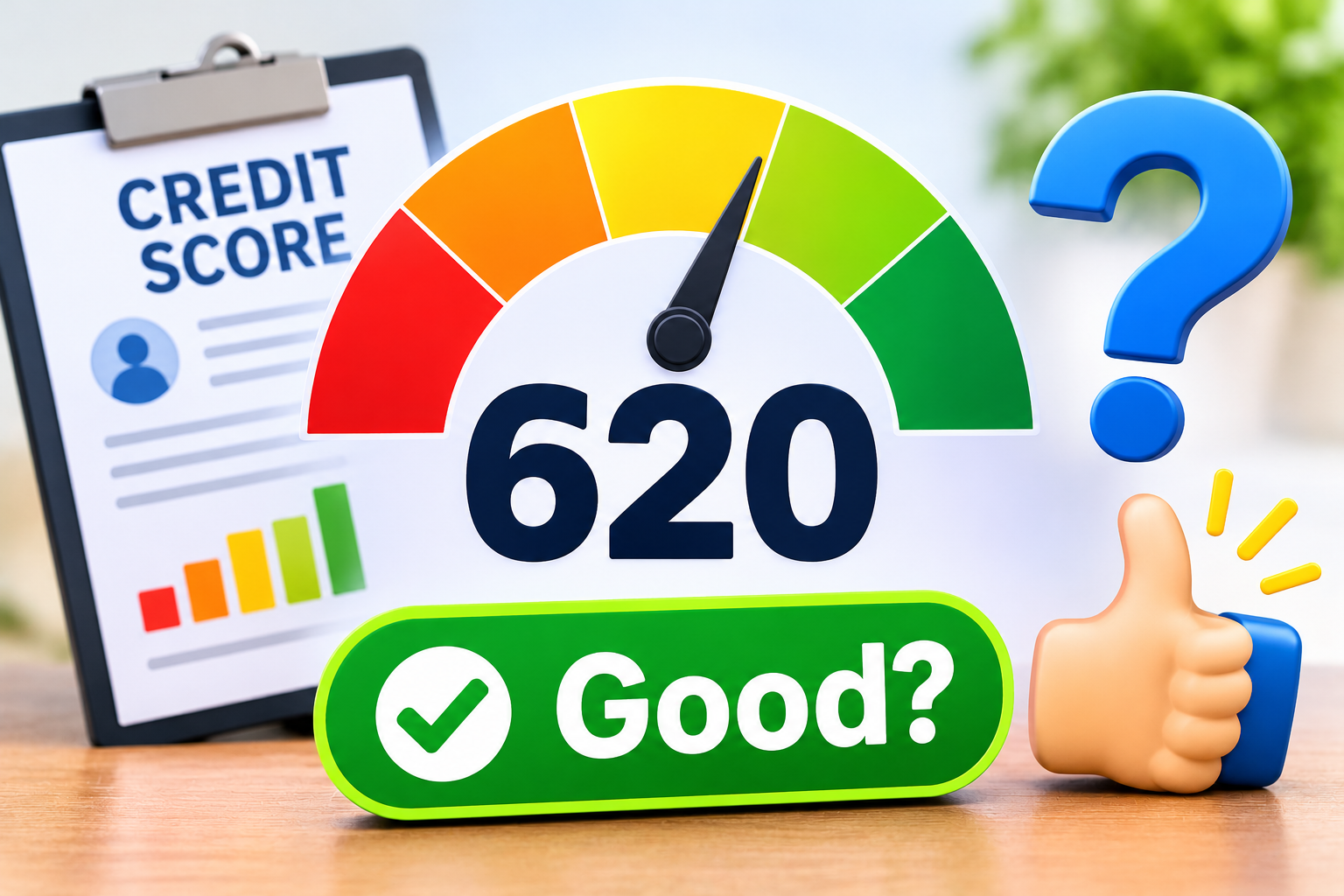
A 620 credit score is generally considered a fair credit score under the standard FICO scoring model. It is not classified as good credit, but it is also not in the poor category. With a 620 score, you may qualify for certain credit cards, personal loans, auto financing, and some mortgage programs. However, your borrowing options may be limited, and lenders could charge higher interest rates or require additional financial documentation. A credit score of 620 represents an important middle point for people working to rebuild their credit. It is above the poor-credit range but still below the level that many lenders prefer for their most competitive offers. Understanding what this score means, how lenders evaluate it, and which steps can improve it can help you make better financial decisions. Whether you want to purchase a car, apply for a mortgage, qualify for a new credit card, or improve your overall financial standing, knowing how a 620 credit score affects your opportunities is a useful starting point. Is 620 a Good Credit Score? A 620 credit score is considered fair under the standard FICO scoring system, which ranges from 300 to 850. FICO generally classifies scores between 580 and 669 as fair, while scores between 670 and 739 are considered good. This means a 620 score is not necessarily a barrier to getting credit, but it may make borrowing more expensive. Some lenders accept applicants with scores around 620, while others prefer applicants with higher scores. Your approval chances also depend on factors beyond your credit score. Lenders may review your income, employment stability, debt-to-income ratio, payment history, existing financial obligations, and the type of credit you are requesting. How does 620 compare with the average credit score? According to FICO’s Fall 2026 Credit Insights report, the average U.S. FICO score was 714. A 620 score is therefore below the national average. However, being below average does not mean you cannot qualify for financial products. It means you may need to compare lenders carefully and demonstrate that you can manage new payments responsibly. Understanding the Credit Score Ranges To understand where 620 stands, it helps to compare it with the commonly used FICO credit score categories. FICO Credit Score Rating 300–579 Poor 580–669 Fair 670–739 Good 740–799 Very Good 800–850 Exceptional A 620 score falls within the fair category. Moving toward 670 can help you enter the good credit range and potentially improve your borrowing opportunities. It is also important to understand that VantageScore uses different category ranges. Under VantageScore 3.0 and 4.0, a score of 620 is generally considered fair as well. Always check which scoring model a lender or credit monitoring service uses before comparing scores. What Can You Get Approved for With a 620 Credit Score? A 620 credit score may qualify you for several financial products, but approval depends on the lender’s requirements and your complete financial profile. Personal loans Some lenders offer personal loans to applicants with fair credit. With a 620 score, you may qualify for certain unsecured or secured personal loan products. However, you may receive a higher interest rate than borrowers with good or excellent credit. Lenders may also consider your income, current debt, employment history, and requested loan amount. Before accepting a loan, compare the annual percentage rate, origination fees, repayment period, and total interest cost. A smaller monthly payment is not always the cheapest option if the repayment term is much longer. Auto loans A 620 credit score may be enough to qualify for an auto loan through certain banks, credit unions, dealerships, and specialized auto lenders. Your interest rate may be higher than the rate offered to someone with a score above 700. A larger down payment can sometimes strengthen your application because it reduces the amount you need to borrow. Before purchasing a vehicle, compare financing offers from multiple lenders. Consider the total loan cost, not just the monthly payment. Mortgage loans A 620 credit score may provide access to some mortgage opportunities, including certain conventional mortgage programs and government-backed options. Fannie Mae’s April 2026 Selling Guide lists a 620 minimum score for manually underwritten fixed-rate loans, while automated underwriting decisions follow different eligibility assessments. Actual requirements depend on the loan program, underwriting result, lender policies, and other factors. FHA loans may also be an option for borrowers with lower scores. Under standard FHA guidelines, borrowers with scores of 580 or higher may qualify for a 3.5% minimum down payment, subject to eligibility requirements and lender standards. However, meeting a minimum score does not guarantee approval. Mortgage lenders also review income, debt-to-income ratio, assets, employment, and property requirements. Credit cards You may qualify for some unsecured credit cards with a 620 credit score, although approval is not guaranteed. Some issuers offer cards specifically designed for people with fair credit. You may receive a lower credit limit, fewer rewards, or a higher interest rate than applicants with stronger credit profiles. A secured credit card is another option. It requires a refundable security deposit and can help establish a positive payment history when the issuer reports account activity to the major credit bureaus. Can You Buy a House With a 620 Credit Score? Yes, buying a house with a 620 credit score may be possible. Several mortgage programs and lenders consider applicants around this score level. Your options will depend on the mortgage type, down payment, income, debt obligations, and lender requirements. Conventional mortgage loans Some conventional mortgage programs may accept borrowers with a 620 score, particularly when the application meets the applicable underwriting requirements. However, a lender may prefer a higher score for more competitive pricing. Your down payment, debt-to-income ratio, cash reserves, and overall credit history can influence the final decision. FHA mortgage loans FHA loans are designed to provide more flexible qualification opportunities for eligible borrowers. Under standard FHA guidelines, a credit score of 580 or higher may qualify for a down payment as low as 3.5%. A 620 score is above that general threshold, but
Credit Hero Score: What It Is, How It Works, Features, Pricing, and Is It Worth It?
Understanding your credit profile is an important part of managing personal finances in the United States. Whether you are preparing to apply for a credit card, purchase a car, qualify for a mortgage, or improve your financial standing, knowing what appears on your credit reports can help you make better decisions. However, checking information from multiple credit bureaus and keeping track of changes can become confusing without the right tools. This is where Credit Hero Score comes into the picture. Credit Hero Score is a credit monitoring platform that gives members access to credit information from the three major credit bureaus: Experian, Equifax, and TransUnion. It also offers credit alerts, identity protection features, and tools designed to help users understand their credit profiles. The platform is associated with the Credit Repair Cloud ecosystem and is designed for both consumers and credit repair professionals. Before signing up, it is important to understand what the service offers, how its monitoring features work, what it costs, and how its displayed scores should be interpreted. A monitoring service can help you stay informed, but it does not automatically repair your credit or guarantee approval for financial products. What Is Credit Hero Score? Credit Hero Score is a subscription-based credit monitoring service that allows consumers to review their credit information and track changes over time. Its main purpose is to make credit reports, scores, and related information easier to access through one platform. The service provides access to credit reports and scores from all three major nationwide credit reporting agencies. These agencies collect information about credit accounts, payment activity, balances, inquiries, and other details that may be used to calculate credit scores. Having access to information from multiple bureaus is useful because the information on each report may not be identical. A lender might report an account update to one bureau before another, or an error could appear on only one report. Reviewing all three can help consumers identify differences that deserve attention. Credit Hero Score also includes monitoring and identity-related features. Members can receive alerts when certain changes occur in their credit files, helping them notice potentially unfamiliar activity. It is important to understand that Credit Hero Score is a monitoring and information service, not a lender or a guaranteed credit repair solution. It helps users review their credit information, but improving a credit profile requires appropriate financial habits and, when necessary, correcting inaccurate reporting. How Does Credit Hero Score Work? Credit Hero Score works by providing members with access to credit information supplied through the major credit bureaus. After creating an account and completing the required identity verification, users can access available reports, scores, and monitoring features. 1. Create an Account The first step is to visit the Credit Hero Score website and review the available membership details. Users generally need to provide personal information and payment details to begin enrollment. Identity verification may also be required before credit information becomes available. The information provided during registration helps the service locate the correct credit records. Users should make sure their details are accurate to avoid verification delays. 2. Access Your Credit Reports Once the account is active and verification is complete, members can review available credit information from Experian, Equifax, and TransUnion. Each report may contain details such as open accounts, closed accounts, payment history, outstanding balances, credit limits, collection accounts, and hard inquiries. Reviewing these details can help users understand what lenders may see when evaluating a credit application. 3. Review Your Credit Scores The platform displays credit scores associated with the available bureau information. These scores provide a snapshot of credit standing based on a particular scoring model and the information available at the time of calculation. A score shown by a monitoring service may differ from the score a bank or lender uses. Different scoring models can evaluate the same credit report information differently, so users should not assume that every displayed score is identical to a lender’s decision-making score. 4. Receive Credit Monitoring Alerts Credit Hero Score offers monitoring features that notify members about certain changes to their credit files. Alerts may involve new inquiries, newly reported accounts, missed payments, or other updates. These notifications can help users recognize activity they do not remember authorizing. However, an alert does not automatically mean fraud has occurred. Sometimes, a legitimate lender update or an account change triggers a notification. 5. Use Credit Tools to Understand Your Profile The platform also provides tools intended to help members understand credit score factors and monitor their progress. Reviewing these details can help users identify areas that may need attention, such as high credit card balances, late payments, or negative account information. Key Features of Credit Hero Score Credit Hero Score combines several credit-related features in one membership. The usefulness of each feature depends on how frequently someone checks their credit and whether they need ongoing monitoring. Three-Bureau Credit Reports One of the main features is access to credit information from all three major bureaus. Experian, Equifax, and TransUnion maintain separate credit files, and the information they receive from creditors can vary. A three-bureau view makes it easier to compare account details and identify reporting differences. For example, a credit card balance might appear updated on one report while another bureau still shows an older amount. Reviewing all three reports can help users notice these differences. Credit Score Tracking Credit Hero Score provides access to credit scores alongside report information. Tracking scores over time can help users observe how their credit profile changes after paying down balances, opening accounts, or addressing reporting issues. However, users should focus on the underlying report information instead of becoming overly concerned about every small score movement. Different scoring models and reporting dates can produce different results. 24/7 Credit Monitoring The service advertises ongoing credit monitoring. Monitoring can help users stay informed when new information appears on their credit files. This is particularly useful for people who are rebuilding credit, preparing for a major loan application, or concerned about
Is 600 a Good Credit Score? What It Means and How to Improve It
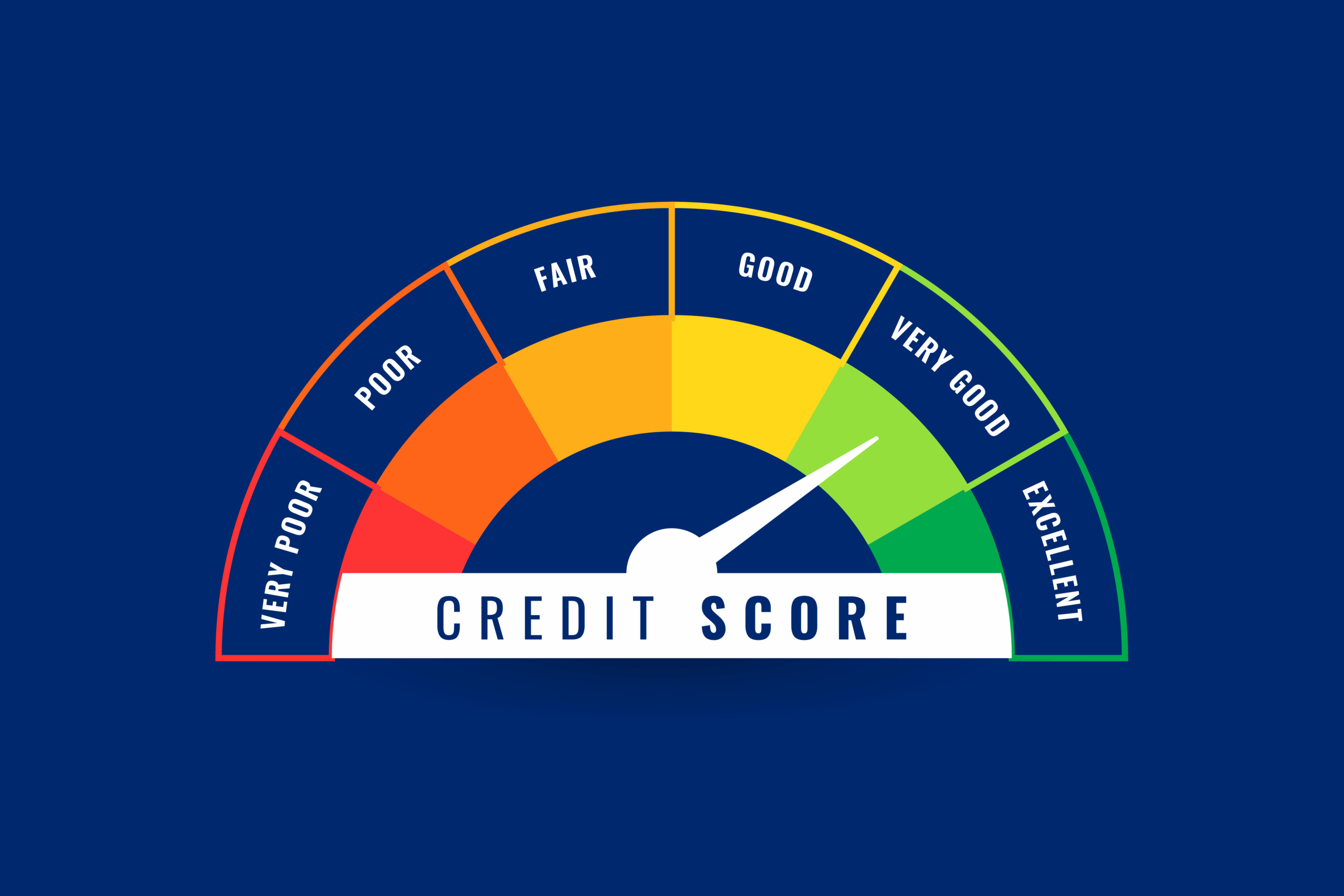
Your credit score plays an important role in your financial life. Whether you want to apply for a credit card, purchase a car, qualify for a mortgage, or get a personal loan, lenders may use your credit score to evaluate how responsibly you manage borrowed money. If your credit score is 600, you might be wondering whether it is good enough to qualify for financial products or whether you should focus on improving it. A 600 credit score is generally considered fair under the FICO scoring model. It is not among the lowest possible scores, but it is below the range most lenders consider good. You may still qualify for certain credit cards and loans, although your options could be limited and interest rates may be higher than those offered to borrowers with stronger credit histories. The good news is that a 600 credit score can improve with consistent financial habits. Understanding what your score means, what lenders look for, and which actions can help you build better credit can put you on a stronger financial path. What Does a 600 Credit Score Mean? Most traditional consumer credit scores in the United States range from 300 to 850. The higher your score, the more favorably lenders may view your credit risk. A FICO score of 600 falls within the fair credit category. This means your credit history may show some positive financial behavior, but it could also contain factors that make lenders more cautious. Here are the commonly used FICO credit score ranges: Credit Score FICO Rating 300–579 Poor 580–669 Fair 670–739 Good 740–799 Very Good 800–850 Exceptional A score of 600 is near the lower part of the fair range. It is better than a score below 580, but there is still room for improvement. Lenders may interpret a 600 score differently depending on the credit product, their internal requirements, and the scoring model they use. Some may approve your application, while others may require a higher score or additional financial information. Is 600 a Good Credit Score Compared With the National Average? A 600 credit score is generally below the average credit score in the United States. Experian reported that the average U.S. FICO score was 713 in 2025. Compared with that figure, a 600 score is considerably lower. This does not mean you cannot qualify for credit. It simply means lenders may consider your application riskier than one submitted by someone with a good, very good, or exceptional score. A lower score can result from several situations, including: Not everyone with a 600 score has made the same financial mistakes. Some people have limited credit histories, while others may have experienced financial difficulties in the past. Understanding what is affecting your score is the first step toward improving it. Can You Get Approved for a Loan With a 600 Credit Score? Yes, getting approved for a loan with a 600 credit score is possible, but it may be more challenging than qualifying with a higher score. Some lenders work with borrowers who have fair credit. However, they may charge higher interest rates, offer smaller loan amounts, or require additional conditions. Your approval chances also depend on your income, employment, existing debt, payment history, and the type of loan you want. Personal Loans: Some lenders offer personal loans to applicants with fair credit. However, interest rates and fees may be higher. Compare the annual percentage rate, repayment period, origination fees, and total borrowing cost before accepting an offer. Auto Loans: You may qualify for vehicle financing with a 600 score, depending on the lender. A larger down payment, stable income, and manageable existing debt may strengthen your application. Compare offers from banks, credit unions, and dealerships instead of accepting the first available financing option. Mortgage Loans: Certain mortgage programs may allow borrowers with a 600 score to qualify. For example, FHA guidelines generally permit scores of 580 or higher for the minimum 3.5% down payment, while scores between 500 and 579 generally require at least 10% down. Lenders may impose stricter requirements, and approval also depends on income, debt, property details, and other eligibility conditions. Credit Builder Loans: These products are designed to help people establish or improve their credit history. Payments may be reported to credit bureaus, allowing consistent on-time payments to contribute to a stronger credit profile. Before applying for any loan, review the lender’s minimum credit requirements. Applying without checking eligibility can result in unnecessary hard inquiries. Can You Get a Credit Card With a 600 Credit Score? Yes, you may be able to qualify for certain credit cards with a 600 credit score. Although premium rewards cards may be difficult to obtain, several types of cards are designed for applicants with fair or limited credit histories. Secured Credit Cards A secured credit card requires a refundable security deposit, which often determines your credit limit. For example, a $300 deposit may provide a $300 credit limit, depending on the issuer. The issuer may report your account activity to one or more major credit bureaus. Making payments on time and keeping your balance low can help you build a stronger credit history. Unsecured Credit Cards for Fair Credit Some credit card companies offer unsecured cards to applicants with fair credit. These cards do not require a security deposit, but they may have higher interest rates, lower limits, or annual fees. Read the terms carefully before applying. Store Credit Cards Retailers sometimes offer store credit cards with less demanding approval requirements than certain general-purpose rewards cards. However, store cards may carry high interest rates and limited purchasing flexibility. Credit Builder Credit Cards Some financial institutions offer starter cards specifically designed for people who are building or rebuilding credit. These may provide a simple way to establish a record of responsible payments. Whichever option you choose, avoid spending more than you can afford to repay. Paying the statement balance in full by the due date can help you avoid interest charges. What Interest Rates Can You Expect
American Express Credit Score: What Credit Score Do You Need to Get Approved?
American Express is one of the most recognized credit card companies in the United States, offering cards for everyday purchases, travel rewards, dining, shopping, and premium lifestyle benefits. Its cards attract different types of customers, from people looking for basic rewards to frequent travelers interested in airport lounge access and flexible membership benefits. However, getting approved for an American Express card depends on more than choosing the right card. Your credit score, payment history, income, existing debt, and overall financial profile can all influence the application decision. Understanding the American Express credit score requirements can help you determine which cards may fit your financial situation and whether you should apply now or improve your credit first. Although American Express does not publish one universal minimum score for every card, applicants with good to excellent credit generally have stronger approval opportunities. What Credit Score Do You Need for American Express? American Express offers several credit cards, and each product may have different approval requirements. There is no single credit score that guarantees approval across all American Express cards. Generally, a FICO score of 670 or higher can provide a reasonable starting point for applicants considering many American Express credit cards. Premium products may be more competitive and are often associated with applicants who have very good or excellent credit. Here is a general overview of FICO credit score ranges: FICO Score Range Credit Category General Approval Outlook 800–850 Exceptional Strong credit profile 740–799 Very Good Favorable approval potential 670–739 Good May qualify for several cards 580–669 Fair Approval may be more difficult 300–579 Poor Limited approval opportunities These are general credit score categories, not official American Express approval thresholds. The issuer considers other financial details when reviewing applications. Is a 700 Credit Score Good for American Express? Yes, a 700 FICO score can put you in a reasonable position when applying for an American Express card. It falls within the good credit category and may provide access to several card options. However, approval is not guaranteed. Your payment history, income, credit utilization, existing debt, and recent credit applications can also influence the outcome. Which American Express Cards Require Good Credit? American Express offers different cards for different spending habits and financial needs. Some are designed for everyday purchases, while others provide premium travel benefits and rewards. The following are examples of popular American Express products and their general credit expectations. Blue Cash Everyday Card <text>Typical credit profile: Good to excellent credit</text> The Blue Cash Everyday Card is designed for everyday spending, with rewards on eligible purchases such as groceries at U.S. supermarkets, U.S. gas stations, and U.S. online retail purchases. It can be an option for people who want cashback rewards without paying an annual fee. Blue Cash Preferred Card <text>Typical credit profile: Good to excellent credit</text> The Blue Cash Preferred Card offers higher cashback rates in selected spending categories, including eligible U.S. supermarket and streaming purchases. It has an annual fee, so applicants should compare the rewards with the cost of holding the card. American Express Gold Card <text>Typical credit profile: Good to excellent credit</text> The American Express Gold Card is popular among people who spend regularly on eligible dining and grocery purchases. It offers Membership Rewards points and other benefits, subject to card terms. Because it is a premium rewards product, applicants should have a strong overall financial profile. American Express Platinum Card <text>Typical credit profile: Very good to excellent credit</text> The Platinum Card is designed for frequent travelers who want premium benefits. Depending on current terms, benefits may include airport lounge access, hotel-related perks, travel credits, and Membership Rewards points. Its annual fee is substantially higher than that of many everyday credit cards, so applicants should consider whether they will use enough benefits to justify the cost. These credit profile descriptions are general guidance rather than official minimum score requirements. American Express can approve or decline applications based on its complete underwriting process. What Factors Affect American Express Credit Card Approval? Your credit score is important, but American Express also evaluates several other factors to understand your ability to manage credit responsibly. Payment History Payment history is a major part of many credit scoring models. Consistently paying credit cards and loans on time can demonstrate responsible financial behavior. Recent missed payments, collection accounts, or serious delinquencies may make approval more difficult. Credit Utilization Credit utilization measures how much of your available revolving credit you are currently using. For example, if your combined credit card limits are $10,000 and your reported balances total $2,000, your utilization is 20%. Lower utilization generally supports a healthier credit profile. Many consumers aim to keep utilization below 30%, although lower balances may be beneficial. Length of Credit History The age of your credit accounts can influence your credit score. A longer history of responsible borrowing may help demonstrate that you can manage credit over time. Applicants with limited credit history may have fewer opportunities than people with established credit profiles. Income and Existing Debt American Express may consider your reported income and existing financial obligations when reviewing your application. A stable income and manageable debt can support your application, while substantial existing debt may create concerns about your ability to handle additional payments. Recent Credit Applications Submitting multiple credit applications within a short period can result in several hard inquiries. Although one inquiry may have only a small temporary impact, repeated applications can make your credit profile appear riskier to some lenders. Can You Get an American Express Card With a 650 Credit Score? It may be possible to get an American Express card with a 650 credit score, but approval can be more challenging. A 650 FICO score falls within the fair credit category. Some applicants in this range may have a stronger overall financial profile because of stable income, low credit utilization, and a positive recent payment history. However, American Express may consider the following factors: If your score is around 650, it may be worth improving your credit profile

What Credit Score Do You Need to Rent an Apartment?
Finding the right apartment involves more than choosing a convenient location, comparing rent prices, and checking available amenities. Before approving a rental application, many landlords and property management companies review an applicant’s financial background to understand whether they can consistently pay rent on time. One important part of this process is the credit score. There is no universal credit score requirement for renting an apartment in the United States. However, many landlords consider a score of 600 to 650 or higher acceptable, while a score above 670 may make an applicant more attractive. The exact requirement depends on the property, location, rental market, and individual landlord’s screening policies. Understanding how credit checks work can help you prepare a stronger application, avoid unnecessary rejections, and find a rental property that fits your financial situation. What Credit Score Do You Need to Rent an Apartment? Most landlords do not follow one nationwide credit score requirement. Each property owner or management company can establish its own screening standards. Some apartments may accept applicants with scores around 600, while more competitive properties may prefer scores above 680 or 700. A score of 600 to 650 can provide a reasonable starting point when applying for many rental properties. However, having a higher score can improve your chances, particularly when several applicants are competing for the same apartment. Here is a general guide to how landlords might view different credit score ranges: Credit Score General Rental Application Outlook 800–850 Excellent credit profile 740–799 Strong applicant 670–739 Generally favorable 600–669 May require additional review 580–599 Approval may be more difficult 300–579 May need additional financial support These categories are general guidelines based on common FICO score ranges, not official rental approval standards. A landlord may approve someone with a lower score if the applicant has reliable income and a positive rental history. Why Do Landlords Check Your Credit Score? Landlords want to reduce the financial risks associated with renting a property. When someone signs a lease, the property owner expects regular monthly payments throughout the rental agreement. A credit check provides information about how an applicant has handled financial responsibilities in the past. Payment History: Payment history is one of the most important parts of a credit profile. Landlords may review whether you have consistently paid credit cards, personal loans, auto loans, and other financial obligations on time. Frequent late payments can create concerns about your ability to meet monthly rent payments. Outstanding Debt: Your current debt obligations can influence a landlord’s decision. If you already have significant credit card balances, personal loans, or other monthly payments, the landlord may question whether you have enough income left to afford rent. Credit Utilization: Credit utilization measures how much of your available revolving credit you are using. For example, if your credit card limit is $5,000 and your balance is $4,000, your utilization is 80%. High utilization can negatively affect your credit score and may indicate financial pressure. Collections and Defaults: Unpaid accounts, debt collections, and loan defaults can raise concerns during tenant screening. Some landlords pay particular attention to recent negative information because it may indicate unresolved financial problems. Length of Credit History: A longer credit history can give landlords more information about your financial habits. Applicants with limited credit histories may need to provide additional documents to demonstrate financial reliability. What Other Factors Do Landlords Consider Besides Credit Scores? Your credit score is important, but it is rarely the only factor in a rental decision. Landlords generally evaluate your overall financial situation and rental background before approving an application. Monthly Income: Property owners want to know whether your income is sufficient to cover rent and other living expenses. A common screening guideline is monthly gross income of approximately three times the rent, although requirements vary. For example, an apartment costing $1,500 per month may require an applicant to demonstrate around $4,500 in gross monthly income. Employment Stability: A steady employment history can help demonstrate that you have a reliable source of income. Landlords may request recent pay stubs, employment verification, an offer letter, or bank statements to confirm your financial situation. Previous Rental History: Your relationship with previous landlords can influence your application. A history of paying rent on time, following lease conditions, and leaving properties in good condition can strengthen your profile. Eviction Records: Previous eviction proceedings or judgments may create challenges during tenant screening. Landlords may review available rental history and public records to understand whether an applicant has experienced serious rental problems. Savings and Financial Reserves: Having money saved in a bank account can provide additional reassurance. Savings may show that you have resources available to manage rent payments during unexpected financial difficulties. Background Screening: Some property managers also review identity information, criminal background records, and rental-specific screening reports. The exact information reviewed depends on the property owner’s policies and applicable laws. Can You Rent an Apartment With a Low Credit Score? Yes, renting an apartment with a low credit score is possible. Although some property management companies have strict credit requirements, other landlords consider an applicant’s complete financial profile. For example, someone with a 580 credit score might still qualify for an apartment if they have a stable job, sufficient income, positive rental references, and no recent rental payment problems. The key is to demonstrate that your current financial situation is stronger than your credit score might suggest. Find Independent Landlords: Individual property owners may have more flexibility than large apartment management companies. They may consider personal circumstances, employment stability, savings, and rental references instead of relying entirely on an automated credit screening system. Provide Proof of Income: Prepare recent pay stubs, employment letters, tax documents, or bank statements. These records can help demonstrate that you have enough money to manage monthly housing expenses. Offer a Qualified Co-Signer: A co-signer or guarantor with stronger credit and sufficient income may improve your application. However, this person generally agrees to take financial responsibility if you fail to meet the lease obligations. Show Previous Rental
Do School Loans Affect Credit Score?
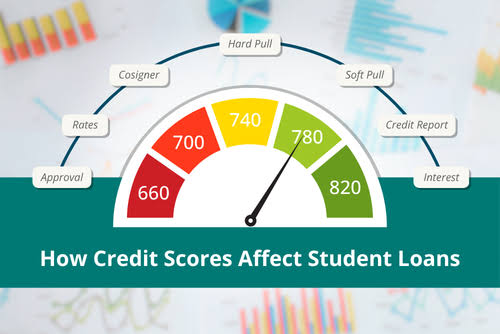
Paying for college or higher education can be expensive, and many students rely on education loans to cover tuition, books, housing, and other academic expenses. While student loans can make education more accessible, they also create financial responsibilities that may continue long after graduation. One important concern for students and parents is whether borrowing money for school can affect their credit history. Yes, school loans can affect your credit score. Student loans are generally reported to credit bureaus, and your payment history, outstanding balance, account age, and repayment activity can influence your credit profile. Making payments on time may help establish a positive credit history, while missed payments, defaults, or other negative account activity can damage your score. Understanding how student loans work with credit reporting can help you manage education debt responsibly and protect your financial future. How Do School Loans Affect Your Credit Score? School loans can affect your credit score in several ways because they are installment loans. An installment loan allows you to borrow a specific amount and repay it through scheduled payments over an agreed period. When you take out a student loan, the lender or loan servicer may report information about the account to major credit bureaus, including Experian, Equifax, and TransUnion. Your credit report may include: Credit scoring models use information from your credit report to calculate your score. Therefore, the way you manage school loans can influence your creditworthiness. Positive Effects of Student Loans Student loans can support your credit profile when you manage them responsibly. Making regular payments on time demonstrates that you can handle borrowed money and meet financial obligations. Over time, a well-managed student loan may contribute to a longer credit history and a positive record of installment loan payments. Negative Effects of Student Loans Student loans can also hurt your credit score when payments are missed or the account enters serious delinquency or default. A high outstanding balance may also affect how lenders evaluate your existing debt, even when you are making payments as agreed. Do Federal Student Loans Affect Your Credit Score? Yes, federal student loans can affect your credit score. These loans are provided through the federal student aid system and are generally reported to the major credit bureaus. Federal student loans include Direct Subsidized Loans, Direct Unsubsidized Loans, and certain other federal education financing programs. Your payment activity and account status may appear on your credit reports. When Federal Student Loans Help Your Credit Federal student loans can contribute positively to your credit history when you make required payments on time after repayment begins. They may help demonstrate your ability to manage installment debt. However, simply taking out a federal student loan does not guarantee that your credit score will increase. When Federal Student Loans Hurt Your Credit Missing payments after repayment begins can negatively affect your credit history. If the loan becomes seriously delinquent and eventually enters default, the consequences can be more damaging. Federal student loans generally have repayment options and borrower protections, so contacting your loan servicer early when you experience financial difficulty is important. Do Private Student Loans Affect Credit Scores? Yes, private student loans can affect your credit score in much the same way as other installment loans. Private student loans are offered by banks, credit unions, and other financial institutions. Their interest rates, repayment terms, eligibility requirements, and borrower protections can differ from federal student loans. Private lenders commonly report student loan information to one or more major credit bureaus. Credit Checks for Private Student Loans When you apply for a private student loan, the lender may perform a hard credit inquiry. A hard inquiry can temporarily lower your credit score. If you apply with a co-signer, the lender may also review the co-signer’s credit history. The loan may appear on both borrowers’ credit reports, depending on how the account is structured and reported. Payment History Matters Making payments on time can help maintain a positive credit profile. Missing payments may lead to negative reporting, late fees, and additional interest charges. Before borrowing, compare interest rates, repayment periods, fees, and co-signer responsibilities. Do Student Loans Affect Your Credit Score While You Are in School? Student loans can appear on your credit report while you are still studying, even if you are not required to make regular payments yet. Many federal student loans allow borrowers to postpone required payments while they are enrolled at least half-time and during certain grace periods. Some private loans offer similar arrangements, depending on the agreement. However, an account appearing on your credit report does not automatically mean it is negatively affecting your score. How In-School Status Works During an approved in-school deferment or other authorized postponement, the loan may be reported as current or in a status that reflects the approved payment arrangement. Interest may continue to accumulate on certain loans, even when payments are not required. This can increase the amount owed. Does Having a Student Loan Automatically Lower Your Score? No. Having a student loan does not automatically reduce your credit score. The effect depends on the information reported, your existing credit history, the scoring model, and other factors. A new loan may also influence your credit profile by changing your account mix and total debt. Do Student Loan Payments Build Credit? Yes, student loan payments can help build credit when they are reported to the credit bureaus and made on time. Payment history is one of the most important factors in common FICO credit scoring models. A consistent record of successful payments can demonstrate financial responsibility. However, student loans are not a shortcut to a higher credit score. Your overall credit profile includes several other factors. Payment History Making every required payment by its due date helps establish a positive payment record. Even one reported late payment can negatively affect your credit score. Credit Mix Credit scoring models may consider the different types of credit accounts you manage. A student loan is an installment account, while a credit card is

What Is a Good Credit Score to Buy a Car? A Complete Guide for Car Buyers
Buying a car is a major financial decision, and your credit score can play an important role in determining how much you pay for it. Whether you are planning to purchase a new vehicle or a used car, lenders typically review your credit history before approving an auto loan. Your score can influence your loan approval chances, interest rate, monthly payment, and overall borrowing cost. So, what is a good credit score to buy a car? In the United States, a score of 670 or higher is generally considered a good starting point for getting competitive auto loan offers. However, you may still qualify with a lower score, depending on your income, debt, down payment, loan term, and the lender’s requirements. Understanding how credit scores affect car financing can help you prepare before visiting a dealership or submitting a loan application. This guide explains the credit score ranges, lender expectations, financing options, and practical ways to improve your chances of getting an affordable car loan. What Credit Score Is Considered Good for Buying a Car? A credit score of 670 or above is generally considered good under the FICO scoring system. Borrowers with higher scores often have access to better interest rates and more favorable loan terms. However, there is no universal minimum credit score required to finance a car. Different lenders use different approval criteria, and some specialize in working with borrowers who have limited or poor credit histories. Here is a general overview of FICO credit score ranges: FICO Score Range Credit Category Potential Auto Loan Experience 300–579 Poor Limited options and higher interest rates 580–669 Fair Financing may be available at higher rates 670–739 Good More financing options and potentially competitive rates 740–799 Very Good Strong chances of favorable loan terms 800–850 Exceptional Often eligible for the most competitive offers These categories are general guidelines, not guaranteed lending decisions. An auto lender may also consider your income, employment stability, existing debts, and payment history. What Credit Score Do You Need to Buy a New Car? New car financing often comes with competitive promotional offers, but the lowest advertised interest rates are usually reserved for applicants with strong credit. A score of 700 or higher can put you in a stronger position when applying for a new car loan. Borrowers with scores above 740 may have a better chance of qualifying for attractive financing offers, although approval still depends on the lender and the applicant’s complete financial profile. Why credit matters for new car loans: For example, two people purchasing the same vehicle may receive different interest rates because their credit profiles are different. Even a small difference in the rate can add up over a loan lasting several years. What Credit Score Do You Need to Buy a Used Car? Used car financing can have different requirements from new car financing. Some lenders consider used vehicles riskier because they are older, may have higher mileage, and can depreciate differently from new vehicles. A credit score of 670 or higher can help you access more competitive used car loan options. However, borrowers with scores in the fair or poor ranges may also find financing through certain banks, credit unions, and specialized auto lenders. Before applying, consider these factors: If your credit score is below 670, comparing several lenders may help you find an offer that fits your budget. How Does Your Credit Score Affect Car Loan Interest Rates? Your credit score can directly influence the interest rate offered by an auto lender. In general, borrowers with stronger credit profiles are considered less risky and may qualify for lower rates. Borrowers with lower scores may face higher interest rates because lenders see a greater possibility of missed payments. Consider a simplified example of a $25,000 auto loan with a 60-month repayment period: Annual Interest Rate Approximate Monthly Payment 4% $460 6% $483 9% $519 12% $556 15% $595 These figures are illustrative estimates. They assume a $25,000 loan, fixed interest, and equal monthly payments. Actual offers depend on the lender, vehicle, credit profile, and loan terms. The difference between a low and high interest rate can significantly affect the total cost of a vehicle. That is why checking your credit before applying for financing is worthwhile. Can You Buy a Car With a 600 Credit Score? Yes, it is possible to buy a car with a credit score of 600. A score in this range falls within the fair category under the commonly used FICO ranges, and some lenders offer auto financing to borrowers with fair credit. However, you may not receive the same interest rates as someone with a score above 700. To improve your chances of approval with a 600 credit score, consider the following steps: 1. Make a larger down payment A larger down payment reduces the amount you need to borrow. It can also lower the lender’s risk and make your application more attractive. 2. Choose an affordable vehicle Financing a less expensive vehicle may make approval easier because the loan amount is smaller. 3. Compare multiple lenders Do not depend on only one dealership or bank. Credit unions, online lenders, and other financial institutions may have different approval requirements. 4. Consider a co-signer A qualified co-signer with stronger credit may improve your chances of approval. However, the co-signer becomes responsible for the loan if you fail to make payments. 5. Review your credit report Check for inaccurate information, outstanding balances, or accounts that may be affecting your score. Can You Get a Car Loan With a Bad Credit Score? Yes, some lenders provide car loans to people with poor credit scores, including borrowers below 580. These loans are often called bad-credit or subprime auto loans. Although financing may be available, the terms can be expensive. You may receive a higher interest rate, need a larger down payment, or face stricter loan conditions. Before accepting a bad-credit auto loan, carefully review: A low monthly payment does not always mean a good deal. A longer

Good Credit Score to Buy a Car: What Score Do You Need for Auto Financing?
Buying a car is an important financial decision, whether you are purchasing your first vehicle, upgrading to a newer model, or replacing an older car. While choosing the right vehicle, comparing prices, and arranging a down payment are essential steps, your credit score can also play a major role in the financing process. Many buyers ask what is a good credit score to buy a car and whether they need an excellent credit history to qualify for an auto loan. The good news is that you do not necessarily need a perfect credit score to finance a vehicle. Many lenders work with borrowers across different credit ranges, although the interest rates, loan terms, and approval requirements can vary. A stronger credit profile may help you qualify for lower interest rates and more favorable repayment terms. However, lenders also consider income, employment, existing debt, down payment, and the price of the vehicle. This guide explains the credit scores commonly used for car financing, how lenders evaluate applications, and practical ways to prepare your credit before buying a vehicle. What Is a Good Credit Score to Buy a Car? In the United States, many lenders use credit scores to evaluate applications for auto loans. A score of 670 or higher is generally considered a good starting point under common FICO scoring categories. However, there is no universal minimum credit score required to buy a car. Some lenders approve borrowers with lower scores, while others have stricter requirements. Here is a general overview of common FICO score ranges and how they may relate to auto financing. FICO Score Range General Credit Category Potential Auto Financing Position 800–850 Exceptional Strong borrowing profile 740–799 Very Good Often competitive financing options 670–739 Good May qualify for favorable loan terms 580–669 Fair Approval possible, but rates may be higher 300–579 Poor Financing may be more difficult or expensive These categories are general guidelines, not guaranteed lender approval standards. Auto lenders may use industry-specific FICO Auto Scores or other scoring models. What Credit Score Do You Need to Finance a Car? The credit score needed to finance a car depends on the lender, vehicle price, loan amount, and your overall financial profile. Excellent Credit: 740 and Above Borrowers with excellent credit may have access to some of the most competitive auto loan offers. Potential advantages include: However, excellent credit does not guarantee approval or the lowest available rate. Good Credit: 670–739 A good credit score can provide access to many auto financing options. Lenders may consider applicants in this range relatively reliable, particularly when they have stable income, manageable debt, and a reasonable down payment. Comparing offers from multiple lenders can help borrowers find a suitable interest rate. Fair Credit: 580–669 People with fair credit may still qualify for vehicle financing. However, lenders may charge higher interest rates to compensate for the additional perceived risk. A larger down payment or a less expensive vehicle may improve the overall affordability of the loan. Poor Credit: Below 580 Getting approved for a car loan can be more challenging with a poor credit score. Some lenders specialize in financing borrowers with limited or damaged credit histories. However, these loans may involve higher interest rates, larger down payment requirements, and stricter conditions. Before accepting an offer, calculate the total repayment cost rather than focusing only on the monthly installment. Why Does Your Credit Score Matter When Buying a Car? Your credit score provides lenders with information about how you have managed borrowed money in the past. When you apply for an auto loan, the lender evaluates your credit profile to estimate the risk of lending you money. A stronger credit history may improve your financing options, while negative credit information can make borrowing more expensive. Loan Approval Your credit score can influence whether a lender approves your application. However, lenders also consider income, employment, debt, and other eligibility requirements. Interest Rates One of the biggest benefits of a strong credit score is the possibility of qualifying for a lower interest rate. Even a small difference in interest rates can create significant savings over a multi-year auto loan. Loan Amount Your credit profile, income, existing debt, and down payment may influence how much a lender is willing to finance. Repayment Terms A stronger financial profile may provide access to more suitable repayment options. The final terms depend on the lender and loan product. Down Payment Requirements Some lenders may request a larger down payment from borrowers with weaker credit histories. A larger initial payment can reduce the amount financed and may improve the overall loan structure. How Credit Scores Affect Car Loan Interest Rates Interest rates are an important part of vehicle financing because they determine how much you pay for borrowing money. Borrowers with stronger credit profiles often qualify for lower rates than applicants with weaker credit histories. For example, imagine purchasing a vehicle for $30,000 with a $5,000 down payment. The amount financed is $25,000. The following example shows how different interest rates can change the cost of a five-year loan. <text weight=”semibold”>Illustrative monthly payment comparison</text> Annual Interest Rate Approx. Monthly Payment Approx. Total Interest 4% $460 $2,625 7% $495 $4,703 10% $531 $6,834 13% $569 $9,100 <text color=”secondary” size=”xs”>Assumes a $25,000 loan over 60 months with fixed interest and no additional fees. Figures are rounded estimates, not current market offers.</text> This example demonstrates why comparing interest rates is important. A lower rate can reduce both monthly payments and the total amount paid over the life of a loan. What Is a FICO Auto Score? A FICO Auto Score is a credit scoring model designed specifically for vehicle financing. Unlike a general-purpose FICO Score, which evaluates overall credit risk, FICO Auto Scores are designed to help auto lenders assess the likelihood that a borrower will repay an auto loan. Depending on the scoring version, FICO Auto Scores may use a different scoring range from the common 300–850 general FICO range. Why Auto Lenders Use It Auto lenders may prefer industry-specific