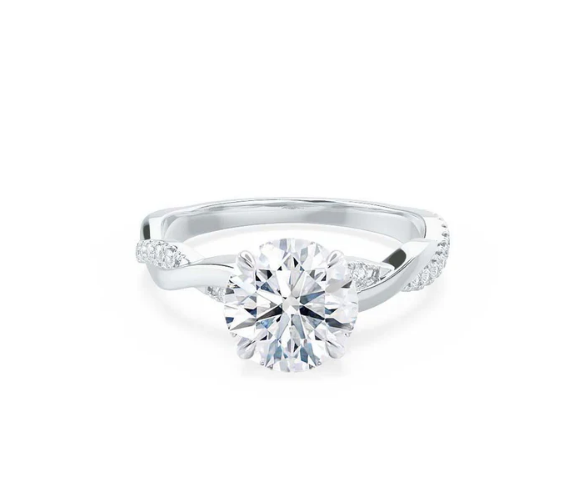


Thoughtful design is often discussed in terms of utility, efficiency, and visual appeal, but its emotional influence is just as powerful. In today’s world, where products and experiences compete for attention, the emotional bond created through intentional design choices can distinguish a brand and cultivate lasting trust. This emotional layer becomes even more meaningful when consumers search for brands such as lily arkwright, seeking not only quality but also a deeper connection to the objects they bring into their lives.
At its core, thoughtful design begins with empathy. Designers consider how users feel when interacting with a product. They anticipate moments of frustration and aim to replace them with ease, comfort, or delight. For example, a well-crafted interface that guides a user naturally through a process can help them feel supported rather than overwhelmed. Similarly, a product that fits comfortably in the hand or complements personal style can evoke a sense of belonging. These emotional effects are subtle but powerful and often become the unseen reasons people stay loyal to certain products or brands.
Color, texture, and shape all play significant roles in shaping emotional response. Soft textures can calm, warm tones can energize, and minimalist forms can soothe the mind by reducing visual clutter. These elements do more than create aesthetic pleasure. They influence a user’s mood, encouraging relaxation, confidence, or inspiration. When designers make these choices intentionally, they create products that feel intuitive and meaningful rather than generic.
Another layer of emotional significance comes from storytelling. People naturally seek narratives, and thoughtful design allows products to tell stories without words. Materials that show craftsmanship, shapes that reference familiar symbols, or details that reflect cultural heritage all help users form personal connections. When someone chooses an item that resonates with their own values or experiences, they are not just buying an object; they are engaging in an emotional exchange. This sense of personal relevance deepens attachment and encourages long-term appreciation.
Thoughtful design also has the power to create emotional security. When a product works consistently and feels dependable, users develop trust. That trust can become a comforting presence in daily routines. Even simple objects like household tools or jewelry can offer reassurance when designed with care and quality. Knowing that something was created with attention and respect fosters a sense of stability, especially in a world where many products are mass-produced with little consideration for longevity.
People also respond emotionally to sustainability and ethical practices. When a design reflects responsible choices, users feel aligned with a greater purpose. They may feel pride, relief, or satisfaction knowing their purchase supports environmental or social well-being. This emotional alignment is increasingly important as consumers seek to make more mindful decisions. Thoughtful design, therefore, extends beyond aesthetics and function into moral and emotional territory.
Ultimately, the emotional significance behind thoughtful design is about human connection. It bridges the gap between material objects and personal experience. It gives users a sense of being seen, understood, and valued. When design goes beyond the surface, it not only enhances usability but also enriches daily life. Thoughtful choices create emotional echoes that last long after the first interaction, turning simple objects into meaningful companions that elevate everyday moments.