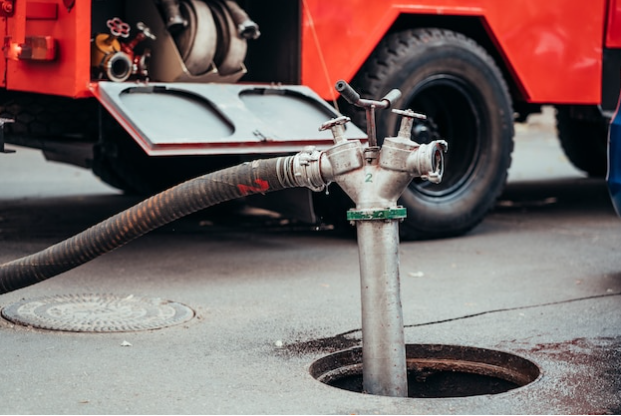


Grease trap pumping service is an essential part of maintaining a commercial kitchen or any facility that produces grease-laden waste. Professional pumping ensures that grease traps function effectively, preventing costly backups and health hazards. Understanding what to expect from a professional grease trap pumping service can help you prepare for the process and ensure you receive quality service.
1. Initial Assessment and Inspection
Before the grease trap pumping service begins, a professional technician will perform an initial assessment of the grease trap system. This step is crucial as it involves checking the size and condition of the grease trap, as well as evaluating its accessibility.
The technician will take note of any visible issues, such as cracks or damage, that could affect the performance of the trap. This inspection allows the service provider to prepare adequately for the pumping process, ensuring that they have the right equipment and tools for your specific needs.
2. Preparation for Pumping
Once the assessment is complete, the grease trap pumping service team will prepare for the actual pumping process. This preparation includes gathering all necessary equipment, such as vacuum trucks, hoses, and safety gear.
They will also inform you of the procedure, estimated time for completion, and any potential disruptions you may experience during the service. This step is essential for ensuring that the pumping process runs smoothly and efficiently, minimizing any inconvenience for your business.
3. Removing the Grease and Waste
During the grease trap pumping service, the technician will use a vacuum truck to extract the accumulated grease, fats, oils, and solids from the trap. The vacuum system is designed to handle the dense and often unpleasant waste found in grease traps effectively.
The technician will ensure that no residual waste remains, maintaining the efficiency of the trap. It’s essential to have this waste removed regularly, as neglecting this service can lead to clogs and costly repairs in the future.
4. Cleaning and Maintenance
After the grease has been pumped out, the grease trap pumping service team will thoroughly clean the interior of the trap. This cleaning process may involve scraping the walls to remove any stubborn residues or buildup. Some companies may also use specialized cleaning agents to sanitize the interior, enhancing the trap’s efficiency.
This maintenance step is crucial for prolonging the life of the grease trap and ensuring compliance with local regulations, making regular pumping and cleaning an essential practice for all establishments that use grease traps.
5. Final Inspection and Documentation
Once the pumping and cleaning are complete, the technician will conduct a final inspection of the grease trap to ensure everything is in order. They will check for any issues that may need to be addressed in the future and may provide you with a summary of their findings.
Documentation is an essential part of professional grease trap pumping services, as it serves as a record of maintenance and compliance with local health and safety regulations. This documentation can be invaluable in the event of inspections or audits.
Conclusion
In conclusion, understanding the process of professional grease trap pumping service helps set expectations and ensures that you receive the best care for your grease management needs. From initial assessments to thorough cleaning and documentation, each step is designed to maintain the efficiency of your grease traps.
Engaging a reputable grease trap pumping service not only prolongs the life of your equipment but also safeguards your facility against potential plumbing issues and health hazards. Taking these steps diligently will ensure that your kitchen operates smoothly, allowing you to focus on running your business effectively.